The Short Answer
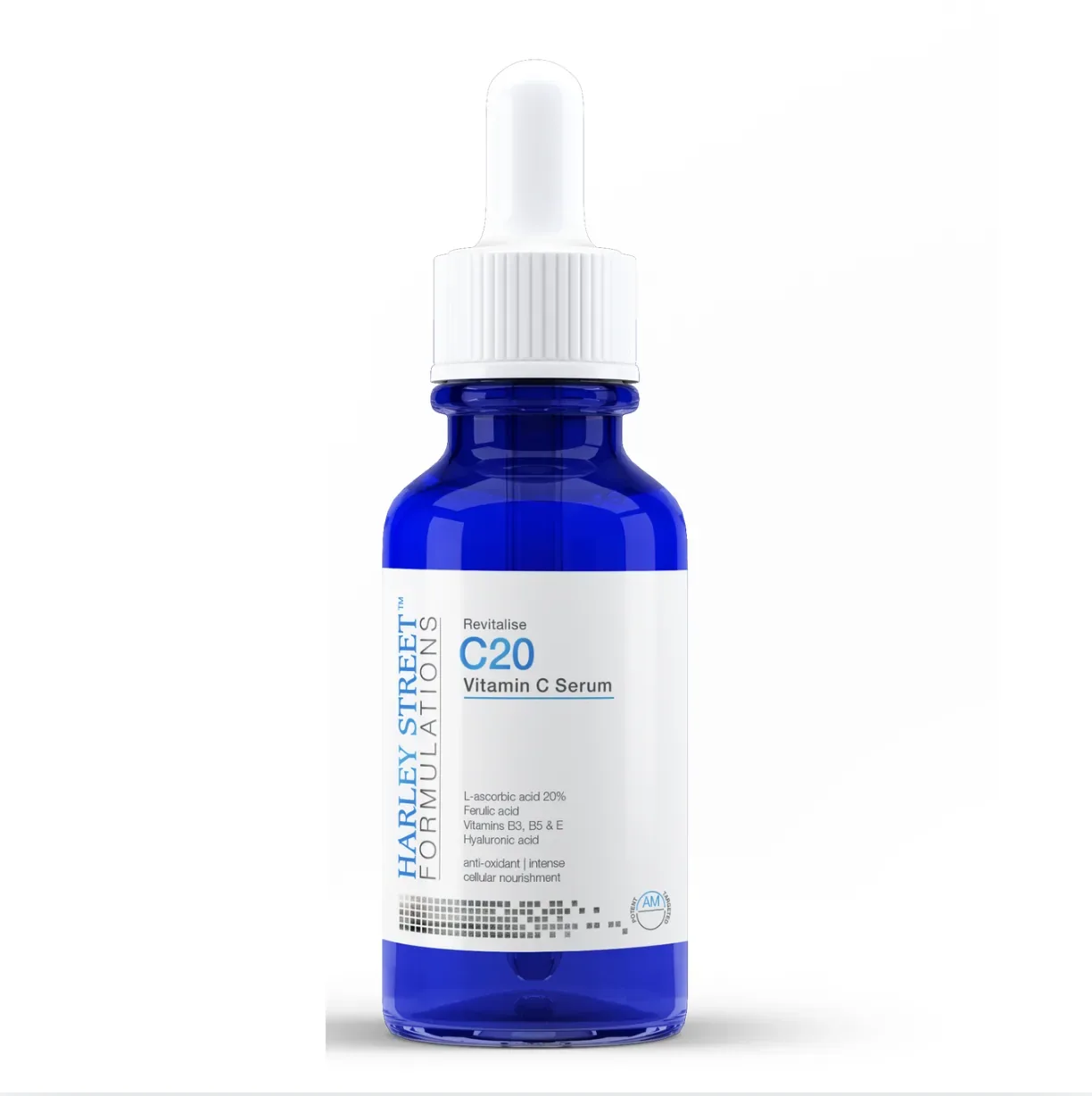
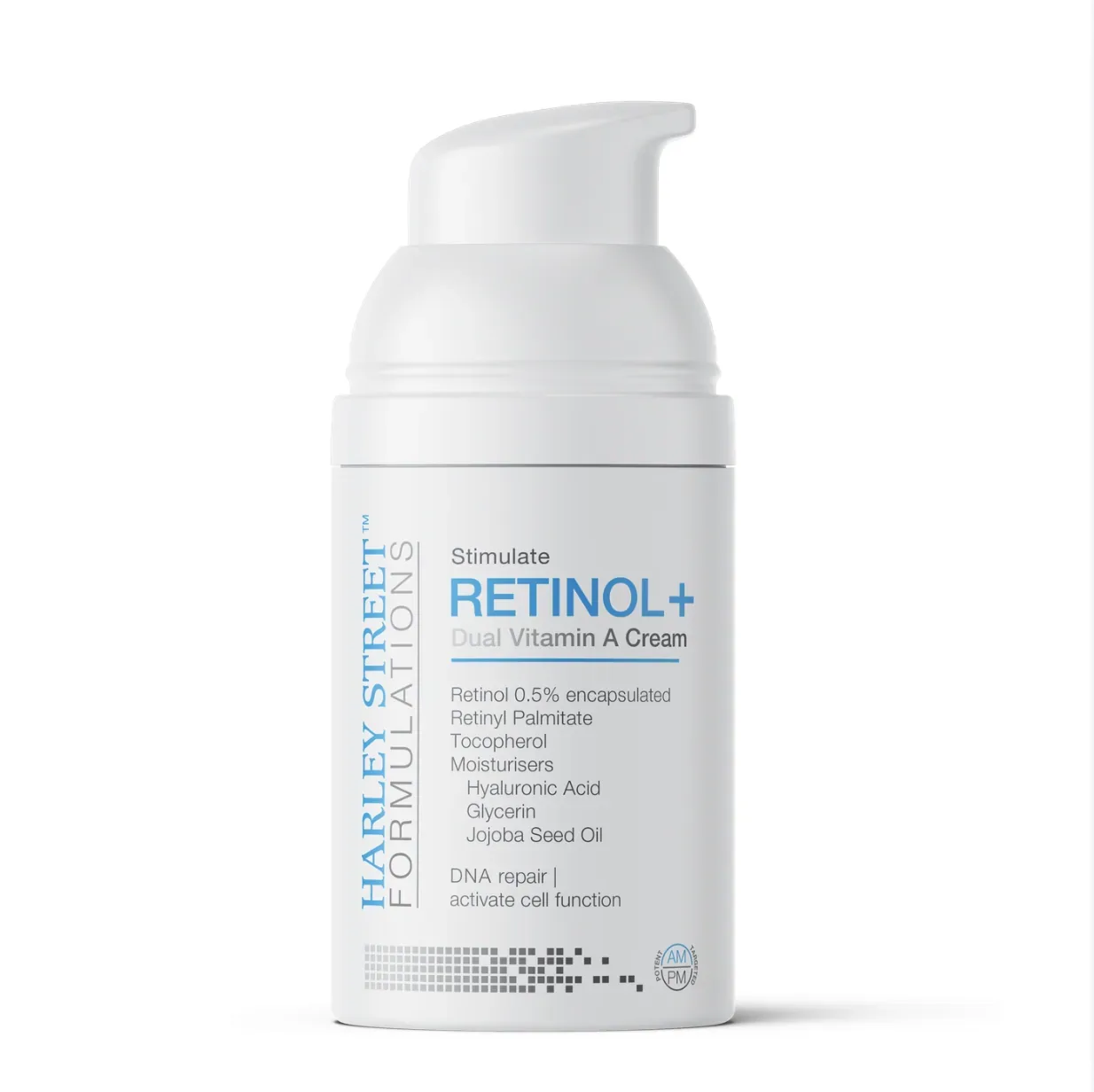
Use both — but at different times of day. Vitamin C belongs in your morning routine (AM) as an antioxidant shield against UV-generated free radicals. Retinol belongs at night (PM) when your skin enters repair mode and cell turnover accelerates.
Vitamin C
- • Neutralises free radicals from UV & pollution
- • Inhibits tyrosinase → reduces pigmentation
- • Boosts photoprotection alongside SPF
- • Stabilises collagen cross-links
Retinol
- • Activates retinoid receptors on fibroblasts
- • Accelerates keratinocyte turnover
- • Normalises melanocyte pigment distribution
- • Stimulates collagen I & III synthesis
Why Not at the Same Time?
Vitamin C (L-ascorbic acid) works best at a low pH (2.5–3.5). Retinol converts to retinoic acid most efficiently at a slightly higher pH (5.5–6.0). Applying both simultaneously creates a pH conflict that can reduce the efficacy of both actives and increase the risk of irritation.
The AM/PM split isn't just convenient — it's biochemically optimal. Morning Vitamin C acts as a photo-protectant; evening Retinol leverages your skin's natural circadian repair cycle when cell division peaks.
The 3-Cell Perspective
At Cosmedocs, we formulate around three essential skin cell types. Here's how each active targets them:
| Cell Type | Vitamin C Effect | Retinol Effect |
|---|---|---|
| Keratinocytes | Strengthens barrier via ceramide support | Accelerates turnover, clears congestion |
| Melanocytes | Inhibits tyrosinase → reduces dark spots | Disperses melanin clusters evenly |
| Fibroblasts | Essential cofactor for collagen synthesis | Activates retinoid receptors → new collagen |