The pH Problem
L-ascorbic acid — the only form of Vitamin C proven to penetrate skin — is a charged molecule at neutral pH. Your skin's stratum corneum (the outermost barrier) repels charged molecules. The solution? Lower the pH.
At pH 3.5 and below, L-ascorbic acid becomes protonated (uncharged), allowing it to pass through the lipid-rich barrier and reach the viable epidermis where it can actually work. Above pH 3.5, absorption drops dramatically — studies show a 50% reduction in penetration for every 0.5 pH unit increase above the optimal range.
The pH Sweet Spot
The Stability Triangle: Vitamin C + E + Ferulic Acid
The landmark 2005 Duke University study by Pinnell et al. demonstrated that adding Vitamin E (tocopherol) and ferulic acid to an L-ascorbic acid formulation doubled its photoprotective capacity and dramatically improved stability. This "Duke Antioxidant Patent" combination remains the gold standard nearly 20 years later.
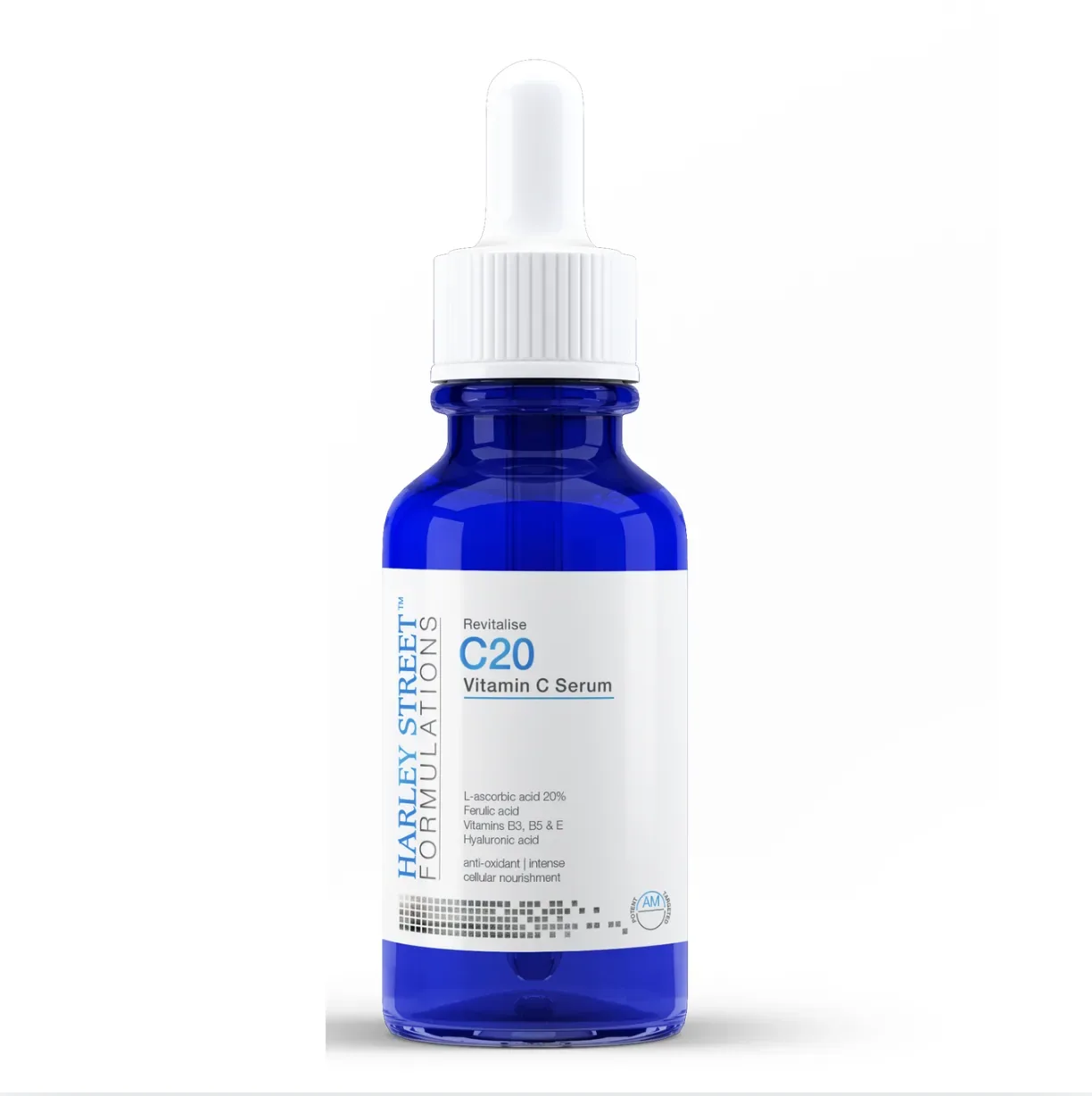
Our Revitalise C20 uses this exact evidence-based combination: 20% L-ascorbic acid, Vitamin E, and ferulic acid at pH 3.0–3.5 — the scientifically validated formulation for maximum efficacy.
Competitor Comparison: pH Reality
| Product | Concentration | pH | Stabilisers |
|---|---|---|---|
| Revitalise C20 (Cosmedocs) | 20% | 3.0–3.5 | Ferulic + Vit E ✓ |
| SkinCeuticals CE Ferulic | 15% | 2.5–3.0 | Ferulic + Vit E ✓ |
| The Ordinary Vitamin C 23% | 23% | ~2.0–2.5 | None — high irritation risk |
| Drunk Elephant C-Firma | 15% | 3.3 | Ferulic + Vit E ✓ |