Medically reviewed by Dr Ahmed Haq, Medical Director, Cosmedocs Harley StreetGMC 6078057Last reviewed
Harley Street Doctors · Since 2007
Tear Trough Filler Before & After Results
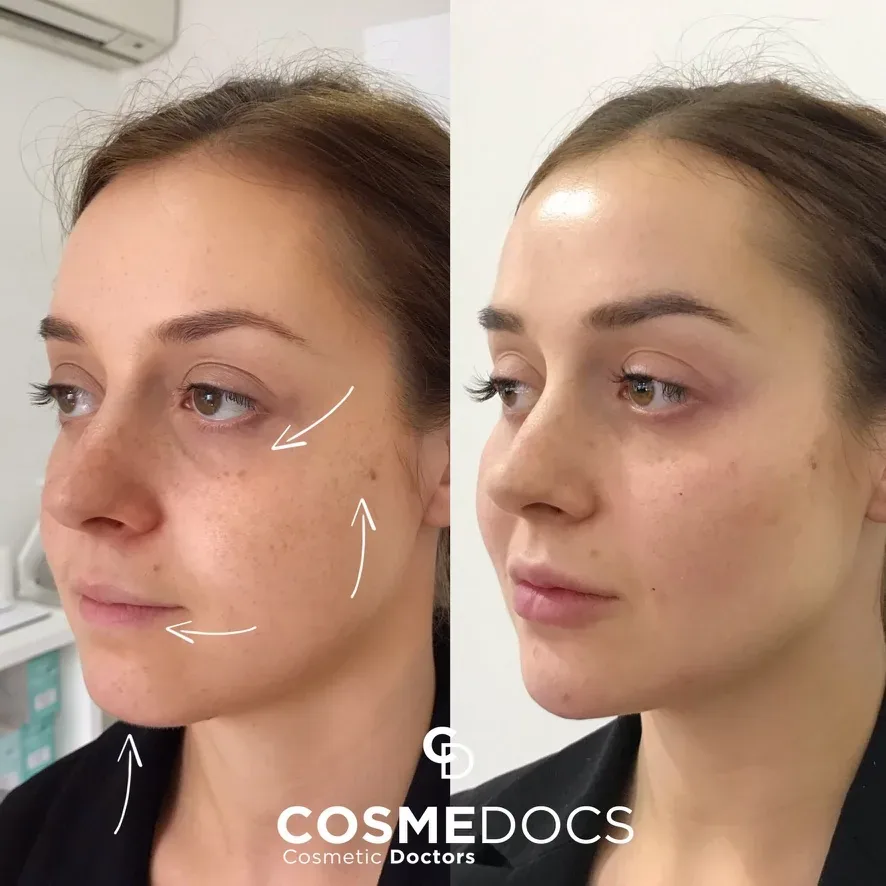
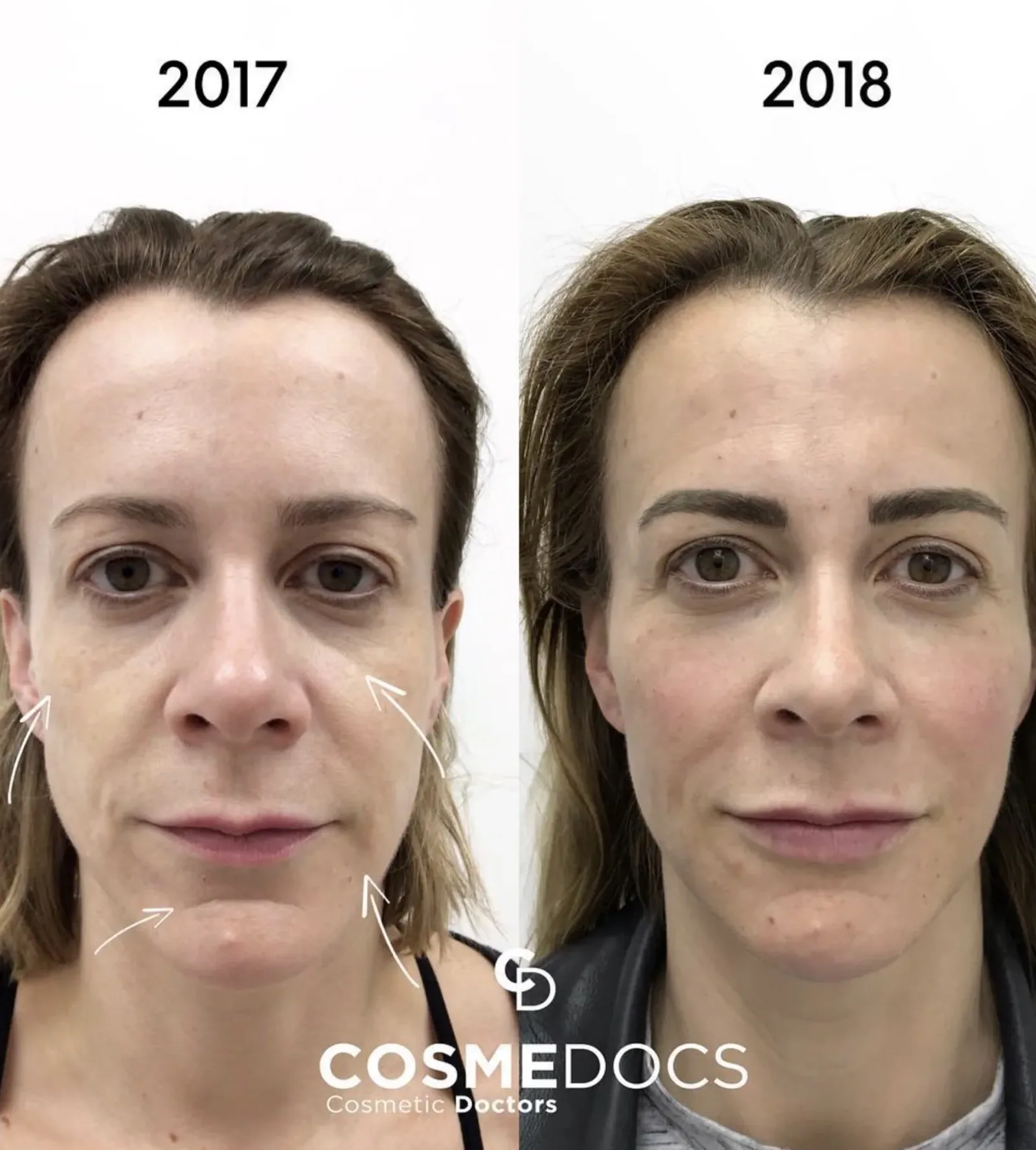
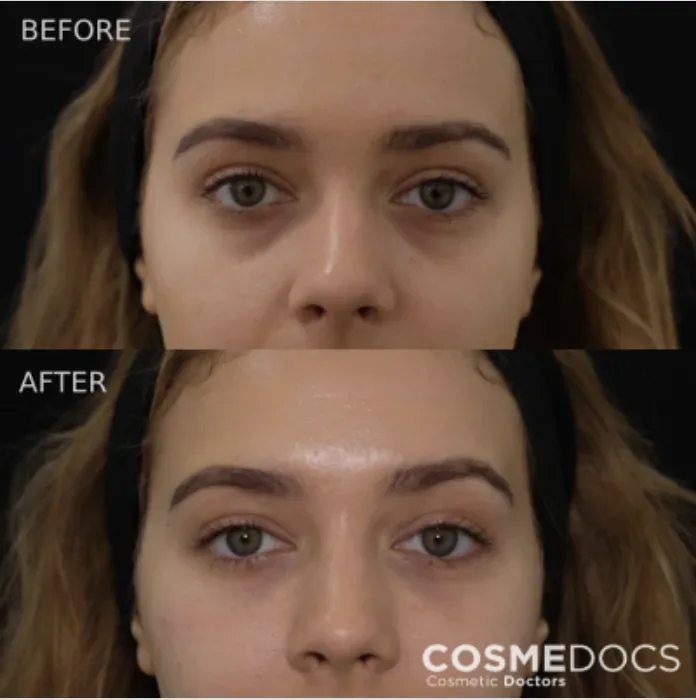
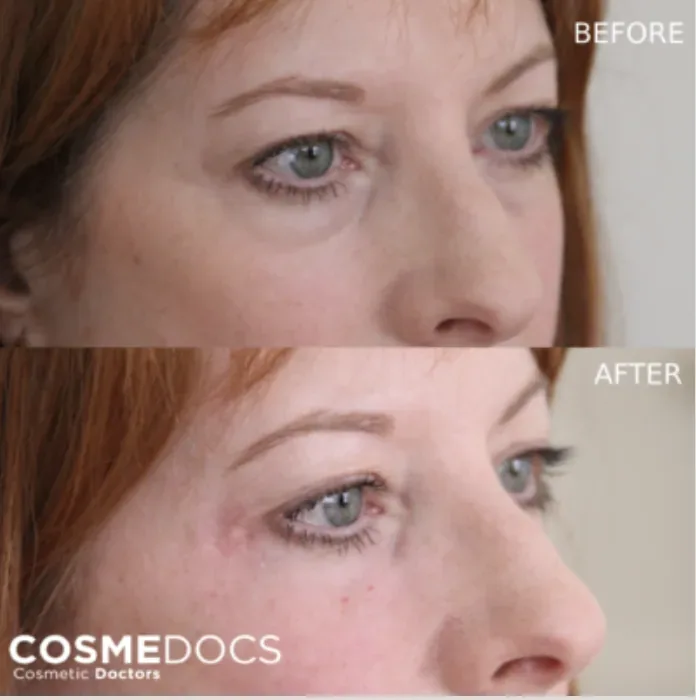
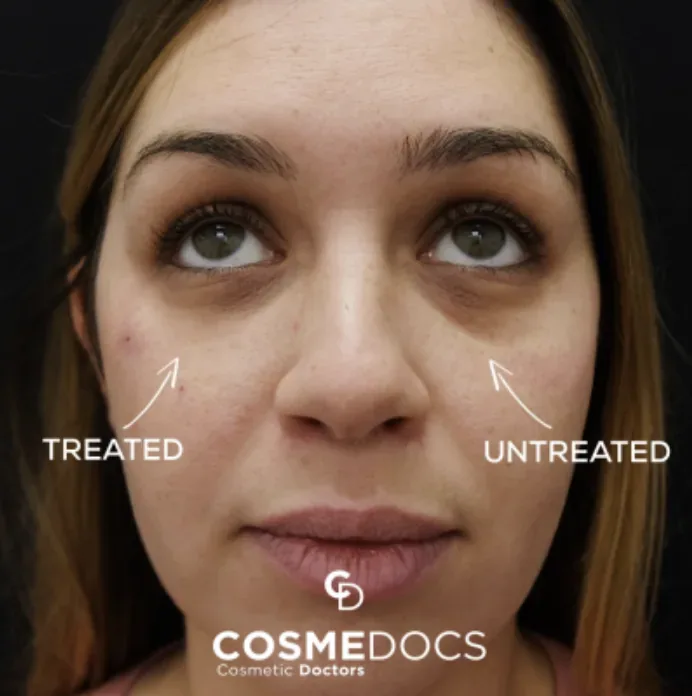
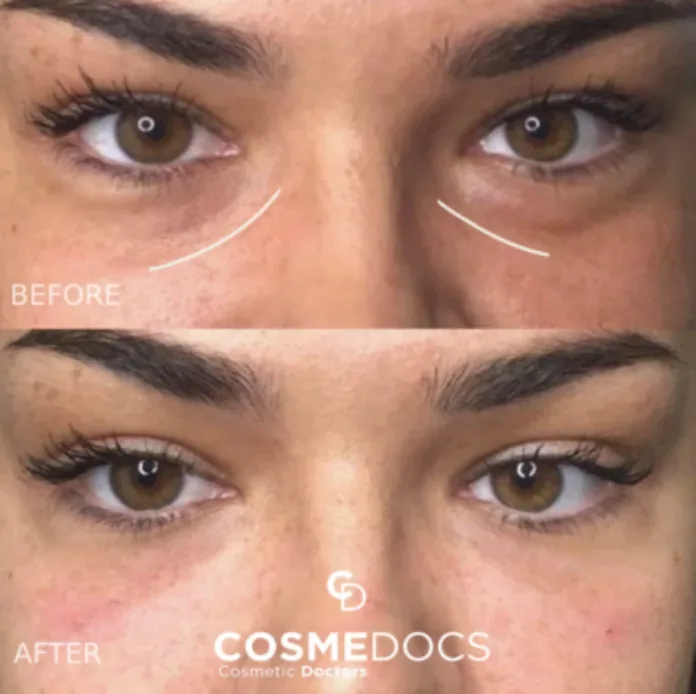
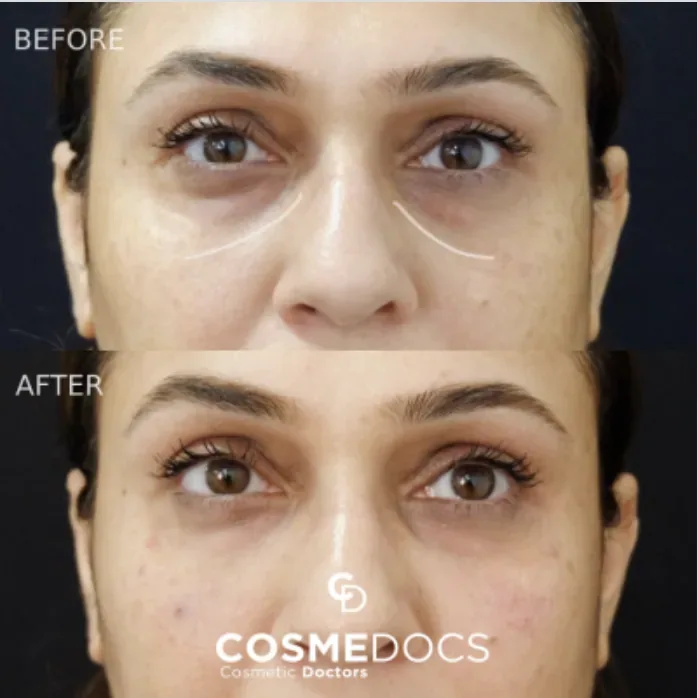
Real patient outcomes following tear trough filler treatment at our Harley Street clinic. Each case demonstrates varying degrees of under-eye improvement — from subtle dark circle reduction to more comprehensive volume restoration — achieved through doctor-led treatment tailored to individual periorbital anatomy and skin quality.
What These Results Demonstrate
The photographs above illustrate the visible improvement in the under-eye area that can be achieved through targeted tear trough filler treatment. In each case, the hollow groove between the lower eyelid and upper cheek is gently restored — reducing dark shadows, smoothing contours, and brightening the periorbital region whilst maintaining natural facial expression.
Outcomes include reduced dark circles, improved under-eye volume, smoother lid-cheek transition, and an overall more refreshed, rested appearance. Each result reflects a bespoke treatment plan created during consultation.
Results vary depending on facial anatomy, skin quality, and degree of volume loss.
Learn More About Tear Trough Filler
A consultation is required to assess suitability and expected outcomes.
Learn more about tear trough filler treatmentReal Cosmedocs patient photographs are shown with consent. Individual results vary. Case-specific timing and treating-clinician details are included only where recorded.