How to Get Rid of Bruises Quickly
Expert-approved methods to heal bruises faster with medical treatments, natural remedies, and prevention strategies
Last updated:
What is a Bruise?
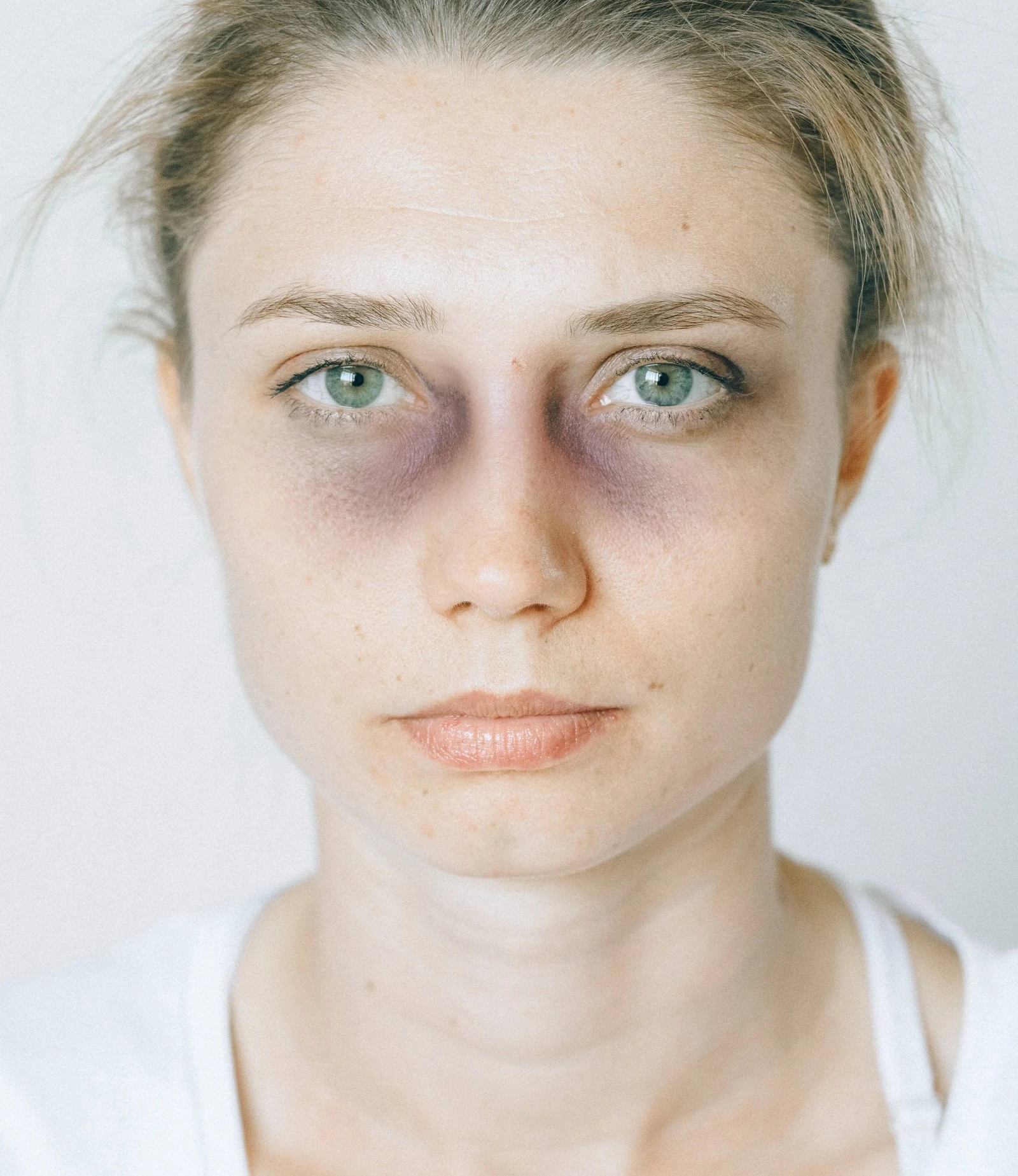
Lunchtime procedure, walk-in-walk-out, virtually painless with minimal downtime – but then you start bruising. First off: don't panic. Bruising is a temporary natural response to physical trauma that causes the damage of superficial blood vessels. The capillaries and venules burst, and the blood trapped under the skin causes a bruise. When it comes to facial bruises, their visibility can affect your self-image. But don't worry. When your concealer can't cover them anymore, we've got you covered: just read our guide on how to get rid of bruises quickly.
Quick Answers
How to get rid of a bruise overnight
A bruise cannot be fully cleared overnight, because the trapped blood has to be reabsorbed by the body. What you can do in one night is limit how big and how dark it becomes: apply a cold compress for 10-15 minutes at a time during the first few hours, keep the area elevated (stay upright for facial bruising), and apply arnica gel before bed. By morning the bruise will usually look smaller and less angry, and a colour-correcting concealer will cover what remains.
How to get rid of a bruise fast
The fastest reliable approach is staged. For the first 24-48 hours use cold compresses, elevation and gentle rest to limit further bleeding under the skin. After 48 hours switch to warm compresses and light massage around (not on) the area to encourage the body to reabsorb the pooled blood. Arnica, bromelain and vitamin K topically may shorten the process, and avoiding alcohol and blood-thinning supplements helps it settle sooner.
How to get rid of a bruise in 24 hours
Within 24 hours the realistic goal is containment rather than removal. Cold compresses applied in short intervals, elevation of the affected area, and avoiding heat, alcohol, exercise and anti-inflammatory painkillers such as ibuprofen will keep the bruise smaller. Most bruises still need 10-14 days to disappear completely; a clinical laser session can accelerate clearance if the timing matters.
Classification of Bruises
It is important to pay attention to the lifespan of bruises as it is indicative of the recovery stages.
We can interpret the age and healing stage of a bruise just by looking at its colour. The appearance of the bruise changes because the body reabsorbs the blood and restores the skin colour and sensitivity.
How long do bruises last? Naturally, there is variation in the healing time and colour from person to person. An important element in this variation is the severity of the bruise - whether it is subcutaneous, within muscles, or within bones (periosteal). Another element is the location of the bruise, as the extremities of the body can take longer to fully heal.
The Colour Spectrum
Typical healing sequence
How a bruise changes colour
Pink / red
Days 0–2
Haemoglobin is still carrying oxygen.
Blue / purple
Days 2–5
Haemoglobin has lost oxygen.
Green
Days 5–7
Haemoglobin breaks down to form biliverdin.
Yellow
Days 7–10
Biliverdin is converted into bilirubin.
Brown
Days 10–14
Haemosiderin is cleared by macrophages.
Pink/Red
The immediate response to trauma is the pink or red colouration of the injured area, happening immediately after the procedure. It can also be accompanied by swelling and tenderness to touch.
Blue/Purple
The swelling of the affected area combined with oxygen shortage lead to the skin darkening to blue or purple. The change of colour from red to purple is gradual due to haemoglobin turning blue.
Green/Yellow
By the sixth day, haemoglobin starts breaking down and prompts the healing process to begin.
Yellow/Brown
By days 7-10, your body almost completely reabsorbs the spilled blood and the healing process concludes. The pale colouring gradually fades until the skin turns to its initial colour.
External Influences
There are a multitude of factors influencing a patient's risk of bruising and the duration of the recovery process. Age, gender, medication, diet, health, lifestyle and sedentarism are all important factors that might accelerate or hinder a patient's healing response. Aesthetic practitioners should always examine each patient's medical history and highlight any of these at-risk factors. Based on the risk analysis conducted, good practitioners will also utilise specialised equipment to ensure risk minimisation, such as opting for a blunt cannula rather than a needle when possible.
However, indifferent of the practitioner's skillset and medical equipment, personal circumstances like the ones mentioned above dictate the post-intervention care. Below we present several methods to help you get rid of bruises quickly and effectively.
Concerned About Bruising After Treatments?
Our expert aesthetic doctors use advanced techniques to minimise bruising and provide comprehensive aftercare guidance.
Book a ConsultationHow to Get Rid of Bruises?
Immediate Treatment
Immediately after a procedure the practitioner may apply gentle pressure to ensure any bleeding has stopped. Ice therapy is important in the first 48 hours as it helps constrict the blood vessels and reduce inflammation. Maintain an ice compress on the site where you feel discomfort for an average of 15-25 minutes, followed by a 15-minute break. Continue this cycle throughout the day, or for at least 3-4 hours, depending on your immediate feeling of alleviation. Note that you should not apply the ice directly on your skin, always wrap it in a cloth or towel. Consistency and promptness are key to ensuring the effectiveness of the treatment, so make sure you alternate cycles appropriately.
Treatment After 48 Hours
After 48 hours you need to encourage vessel dilation and blood flow in order to speed up the healing process. To achieve this, apply heat locally with a heat pad, compress or warm flannel. Reapply the warm compress repeatedly throughout the day, according to your personal level of comfort.
Bruise Treatment
Once the bruise forms after 48 hours, there are several natural tips that can speed up the recovery process.
Elevation
For facial bruising, try to remain upright and refrain from lying down in the daytime for the first 24 hours. For bruises on the arms and legs, the affected limb should be elevated above heart level. This will slow the blood flow to the area and help relieve pain.
Sunshine


UV light for 15 minutes a day encourages the breakdown of bilirubin that causes the yellowing of a bruise. It accelerates the absorption of blood and makes the bruise easier to conceal with makeup.
Rest
Avoid exercise for the first few days as this could worsen the trauma and extent of bruising.
Gentle Massage
Although we do not recommend massage following botulinum toxin procedures, it can be of benefit after some dermal filler treatments and other injectables. The correct pressure on the outer edges of a bruise can help blood circulation and stimulate the lymphatic system. Using items such as the tube of a lip balm (applying gentle pressure with the cap) or a cold spoon in circular motions drives bruise reduction.
Expert Practitioners
GMC-registered doctors with 15+ years experience
Advanced Techniques
Minimally invasive methods to reduce bruising
Comprehensive Care
Full aftercare support and guidance
Diet and Natural Remedies
Arnica Montana
Arnica Montana is a well-known homeopathic remedy that gained popularity for its anti-inflammatory properties. We recommend it for bruising and post-operatory trauma, as one study found that the consumption of arnica helped reduce bruising after rhinoplasty. It comes in the forms of topical gel, cream, spray, or orally in the form of Arnica pills.
Bromelain
Bromelain is an enzyme mixture that derives from the components of the pineapple plant. These enzymes digest protein and have anti-inflammatory effects, helping reduce bruising when applied to the skin. It comes in the form of a topical gel or as oral supplements, if a medical specialist recommends it.
Quercetin
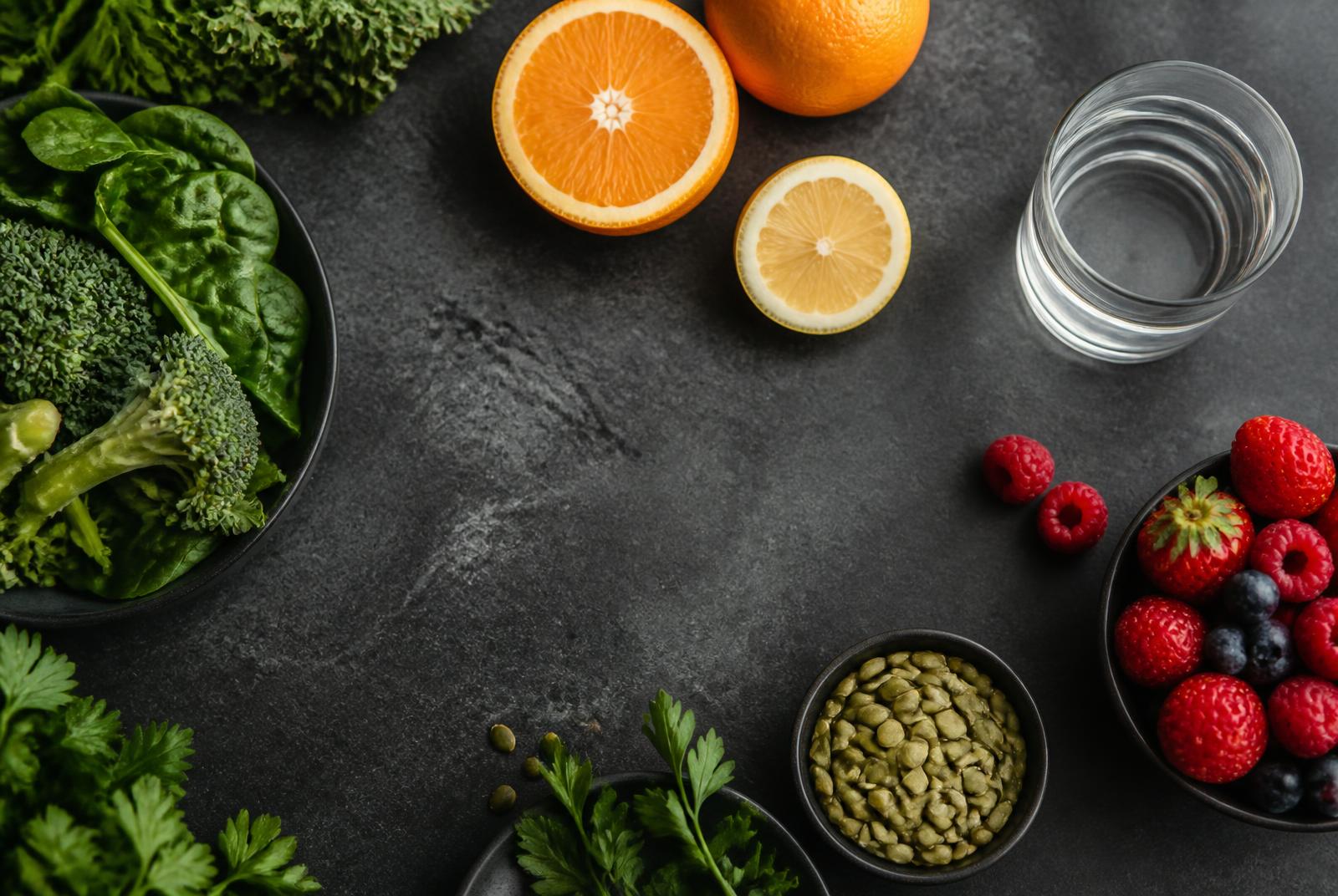
Quercetin is a flavonoid widely present in nature. It derives mostly from certain fruits and has anti-inflammatory properties similar to Bromelain. There are creams usually containing a mix of quercetin, bromelain, vitamin K, that specialists recommend to apply twice per day. Alternatively, you can find quercetin naturally in foods such as: apples, oranges, leafy vegetables, dark berries, red onion, and green vegetables.
The general medical consensus is to avoid consuming quercetin orally, as it produces several side effects and can disrupt the effectiveness of other medication. Ensure the topical administration only, unless advised by a certified healthcare professional.
Vitamin K
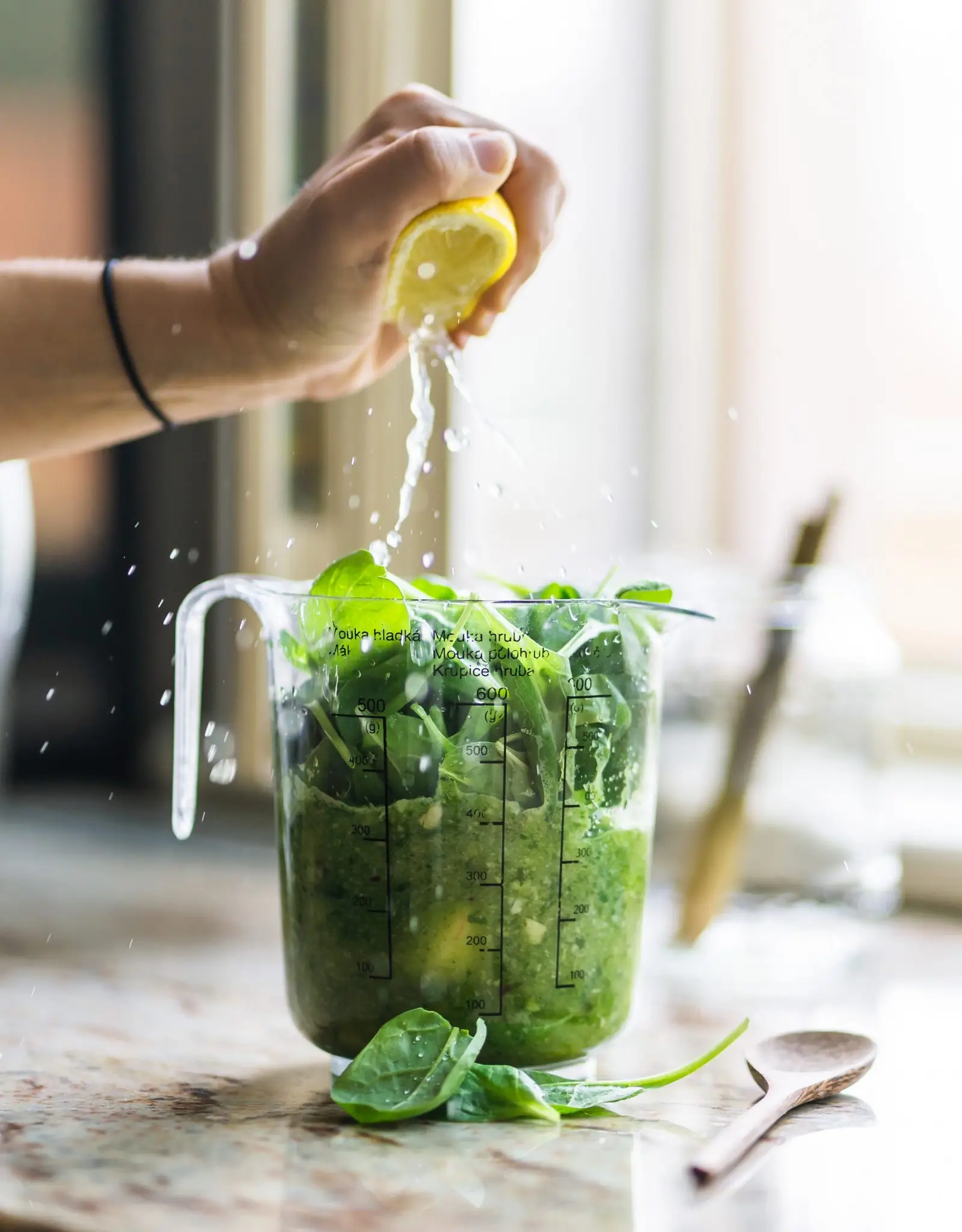
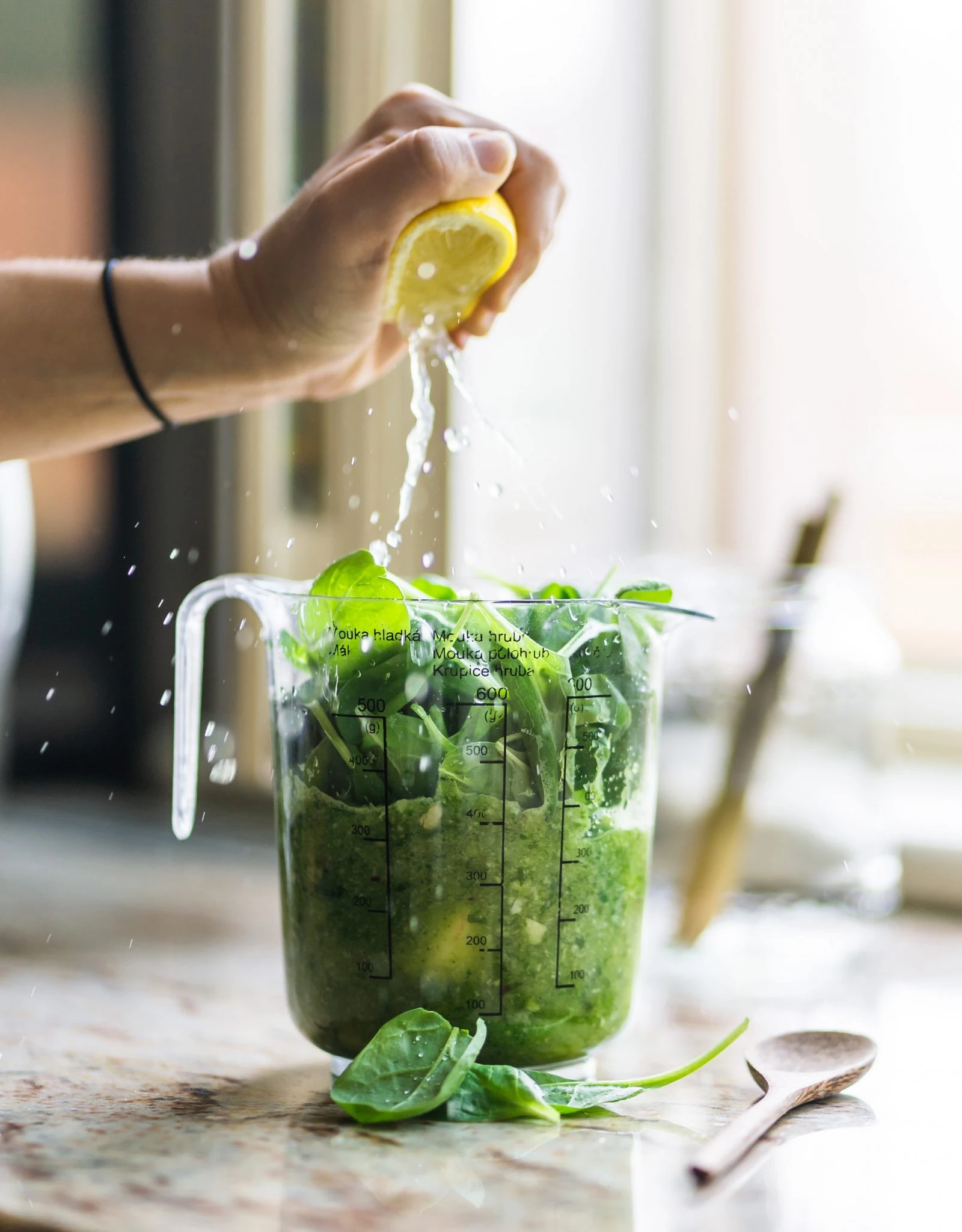
The human body naturally needs vitamin K, as it proves to have an essential role in blood clotting. A vitamin K gel can deliver promising post-operatory effects with regards to bruising and inflammation. Similar to quercetin, we do not recommend the oral consumption as it interacts with other medications, specifically blood thinners. Vitamin K gels are generally available without a prescription, but fruits and vegetables are also a great resource: blueberries and strawberries, green leafy vegetables such as lettuce, spinach, kale, broccoli, parsley, romaine.
Vitamin C
Foods containing vitamin C encourage collagen synthesis and help maintain capillary walls and tissues. The consumption of foods rich in vitamin C can have an accelerating effect on skin healing. Besides consuming foods that have a high dose of vitamin C, such as citrus fruits, tomatoes, berries, it can also be applied topically, or as an oral supplement.
Zinc
Zinc is an essential mineral that promotes tissue-repair, and its deficiency can lead to delayed healing. High levels of zinc exist in seafood and meat, particularly red meat. However, nuts, wheat germ and mushrooms are also good sources.
Bilberry Extract
Advocates of natural remedies advise on bilberry ingestion, as it stabilises collagen levels, fortifies capillaries and treats poor circulation. This is due to the high dosage of anthocyanins, a type of flavonoid acting as antioxidants and offering anti-inflammatory benefits.
Comfrey
Comfrey is an herb with a medical history of 2000 years, courtesy of its beneficial effects. The extracts from the plant's root and leaves are ideal for pain relief and inflammation. The recommendation is to apply it directly on the affected area a few times a day. Alternatively, you can prepare a compress by boiling the leaves, wrapping them in cloth and applying directly on the bruise.
Aloe Vera
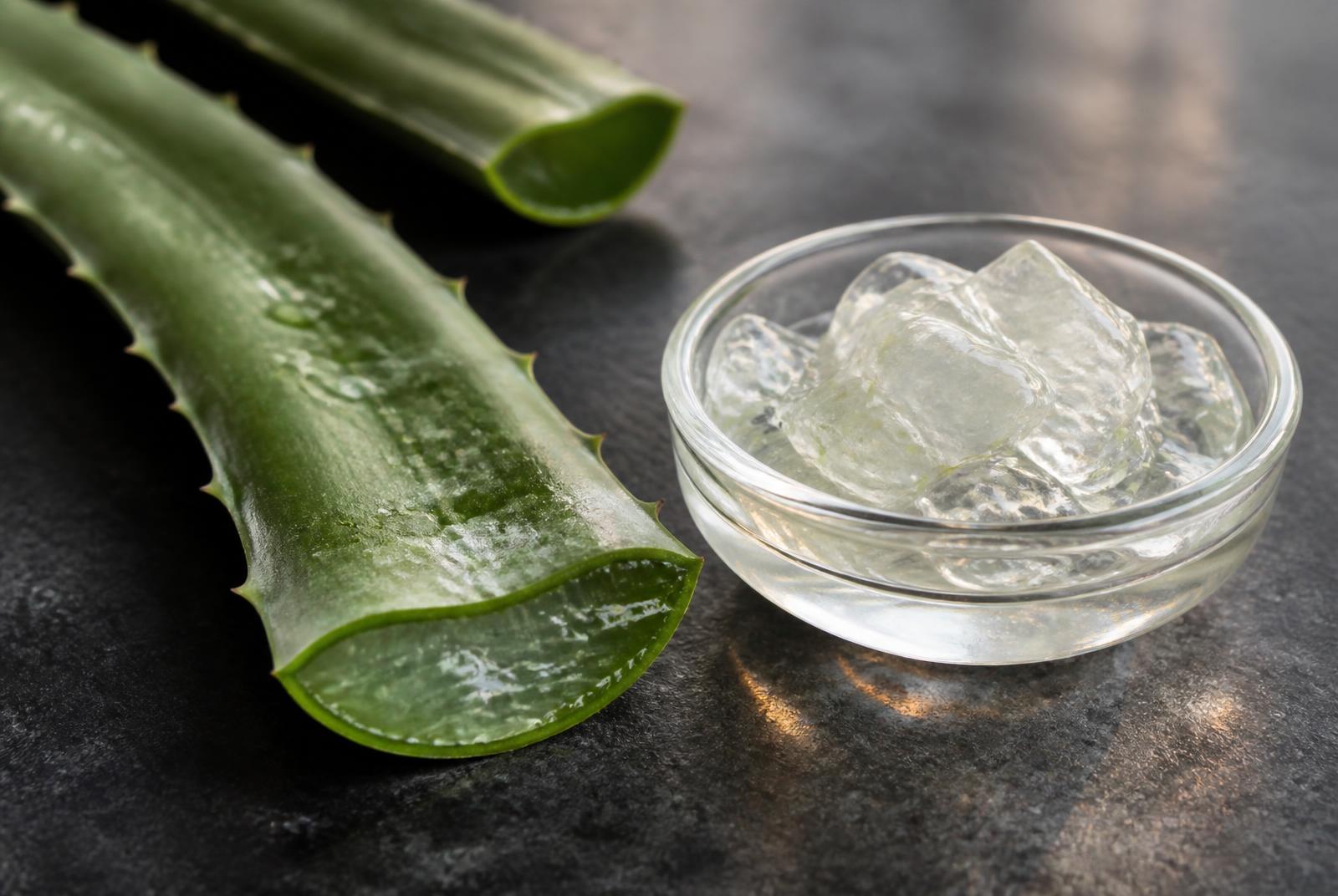
Aloe Vera gel has been extensively used in skincare and medical treatments alike, due to its soothing and pain-relieving effects on the skin. Ensure that you apply it topically and are using pure aloe vera gel with no additives.
Cayenne Pepper
In terms of pain-relief, cayenne pepper contains capsaicin, a chemical compound that has been found to stimulate the nerve endings on the skin. It is used in topical form to relieve pain and inflammation. It is recommended to be used in small doses with precaution, as it can cause burning sensations and irritation as side effects.
Vinegar
Apple cider vinegar has been suggested (although not scientifically proven), to stimulate blood flow to the affected area and therefore breaking up the blood clots formed as bruises. The general recommendation is to dilute the vinegar with warm water and apply it on the skin as a compress.
Tea Bags
Similarly to apple cider vinegar, tea is embraced as a home remedy for various skin ailments. Tea contains tannins, a chemical compound that is believed to act as an anti-inflammatory and anti-bacterial agent especially found in green and black tea. Due to this compound, it is reported to reduce discolouration in bruises.
Witch Hazel
Witch hazel is a natural astringent to be used topically, as it contracts tissues and hinders bleeding. It is used for many skin issues, but it is reported to particularly aid bruise discolouration and the subcutaneous damage. The general advice is to apply the product on a cotton pad and hold it gently on the bruised area for several minutes, up to three times a day.
Iron Rich Foods
This is more of a preventive note but increasing your iron consumption is important in reducing the risk of deep tissue bruising. Boosting your iron levels should be affordable and sustainable in the long term, as it translates into adopting a healthy diet, abundant in iron-rich foods.
Book Your Consultation Today
Speak with our expert team about minimising bruising and ensuring optimal results from your aesthetic treatments.
Concerns
Should you observe no improvement in the appearance of the bruise, or the healing process feels stagnant, you need to consult your doctor.
A bruise that becomes more painful and intensely coloured than originally and is tender to touch is indicative of a haematoma forming. In that case, the blood is not reabsorbed and starts collecting under the skin or muscle. A medical intervention is therefore needed to extract the blood artificially. The general recommendation is to seek medical attention if the bruise is not visibly in the process of healing within 2-3 weeks or shows signs of infection, increased pain, or fever.
Outlook
Bruises are natural reactions to trauma induced to the skin, but with potential impact on deeper levels, such as the muscles or bones. They are temporary and visibly signalling the stage of the healing process.
Although there is variation in the way each patient's body responds to trauma, there are ways one can speed up the process. From special supplements to cold compresses and UV exposure, there is certainly an element that you can incorporate in your post-intervention care. However, whether you decide on a single remedy or a combination of several, you should always discuss with your practitioner on how to integrate it in your recovery.
We understand your impatience regarding the outcome of your procedure but remember that your body needs patience and so do you – the results are always worth the wait.