Medically reviewed by Dr Ahmed Haq, Medical Director, Cosmedocs Harley StreetGMC 6078057Last reviewed
Botox Units Explained: How Many Do You Really Need?
Botox dosing is measured in units. Most patients need 40–64 units for three areas (forehead, frown lines, and crow's feet). The exact number depends on muscle strength, gender, treatment history, and your practitioner's technique. Under-dosing is the most common cause of poor results.
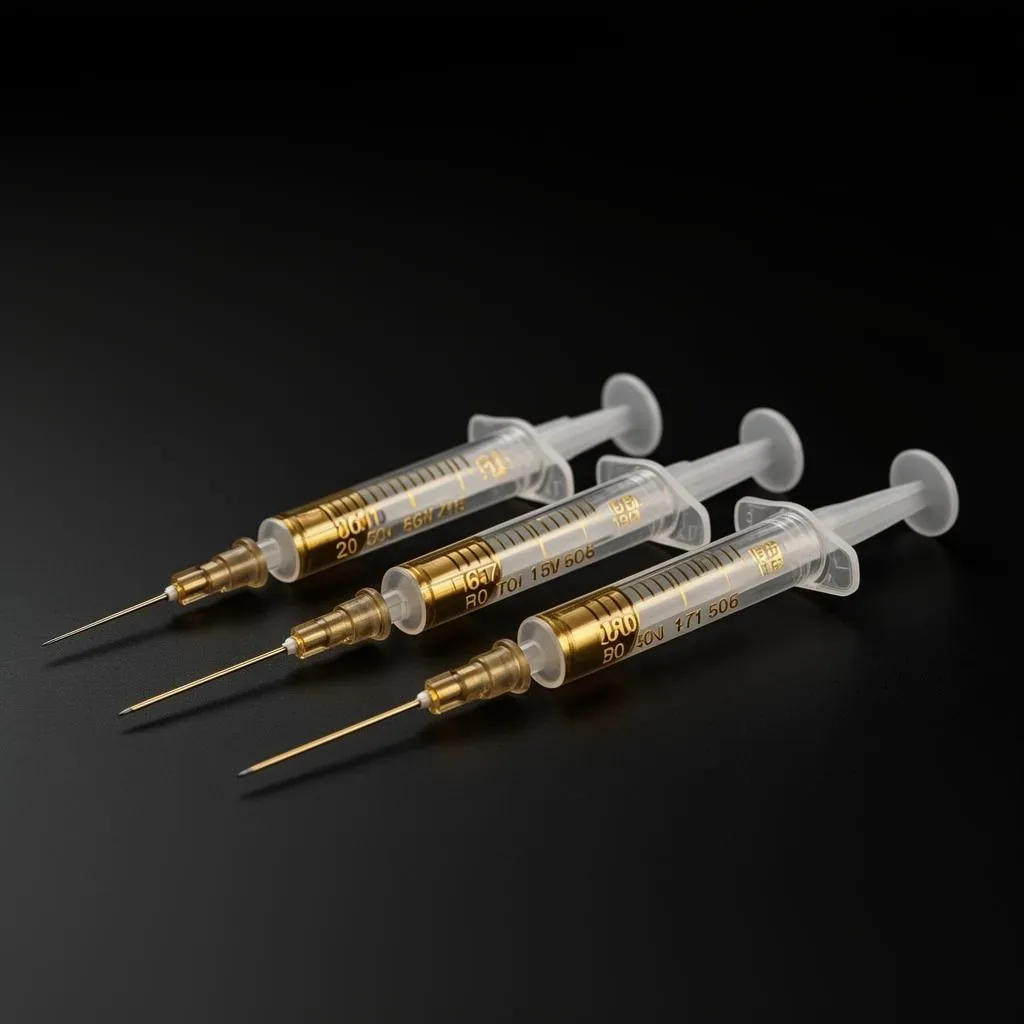
Precision dosing — every unit measured for natural, lasting results
Quick Answer
- Forehead lines: 10–30 units
- Frown lines (glabella): 10–25 units
- Crow's feet: 12–24 units (both sides)
- 3 areas total: 40–64 units on average
What Is a Botox Unit?
A Botox "unit" is a standardised measurement of botulinum toxin type A. It refers to the biological activity of the product — not volume. One unit of Botox (onabotulinumtoxinA) is not the same as one unit of Dysport or Bocouture, which is why brand matters when comparing doses.
At Cosmedocs, Dr Ahmed Haq uses precise unit-based dosing tailored to each patient's anatomy. "The number of units is far more important than the number of areas," he explains. "A forehead treated with 6 units will look very different from one treated with 20."
Why this matters
Clinics that advertise "Botox per area" without specifying units may use fewer units to keep costs down — leading to weaker, shorter-lasting results. Always ask how many units you're receiving.
How Many Units of Botox Per Area
The table below shows typical unit ranges used at Cosmedocs. These are clinical guidelines — your practitioner will adjust based on muscle strength, skin thickness, and your aesthetic goals.
| Area | Women | Men |
|---|---|---|
| Forehead lines | 10–20 | 20–30 |
| Frown lines (glabella) | 10–20 | 20–25 |
| Crow's feet (both sides) | 12–20 | 16–24 |
| Bunny lines | 4–8 | 6–10 |
| Lip flip | 4–6 | 4–8 |
| Gummy smile | 2–4 | 2–4 |
| Masseter (jawline) | 30–50 | 40–60 |
| Neck bands (platysma) | 20–40 | 30–50 |
| Underarm sweating | 50 per side | 50 per side |
How many units of Botox for 3 areas?
The classic "3 areas" — forehead, frown, and crow's feet — typically require 40–64 units for women and 56–79 units for men. At Cosmedocs, we dose based on anatomy rather than a fixed formula. Some patients need fewer units for beautiful results; others need more. The key is adequate dosing for your specific muscle strength.
Frown Lines: Why 20 Units and 30+ Units End Up in the Same Place
The glabella (frown area) is the most studied region in botulinum toxin medicine. Dose-ranging studies consistently show the same pattern: around 20 units produces reliable softening, while pushing to 30 units and above increases the depth and duration of the effect — and, in step with it, the rate of side effects such as brow heaviness, lid ptosis and an unnaturally flat, expressionless upper face.
~20 units
- Softens the frown, keeps movement
- Typically 3–4 months of benefit
- Lowest complication rate
- Easy to top up if under-corrected
30+ units
- Deeper, more complete relaxation
- Often 4–6 months of benefit
- Higher rate of heaviness and ptosis
- Nothing to reverse if over-done
The three-year view
Here is the part almost nobody explains. Over three years of regular, well-spaced treatment, the patient who had 20 units each time and the patient who had 30 units each time arrive at the same destination: a frown muscle that has quietly de-conditioned, lines that no longer etch in at rest, and a face that simply reads as fresh. The higher dose gets there faster in any single cycle. It does not get you somewhere better.
"A course of treatment should never be judged on how frozen you were two weeks after one appointment. It should be judged on how you look across years — and whether you still look like yourself while you get there."
Dr Ahmed Haq, Medical Director, Cosmedocs Harley Street
This is why we dose conservatively at the first visit, review you at two weeks, and adjust upwards only where the muscle genuinely demands it. Under-correction is a ten-minute fix. Over-correction is a three-month wait. Given both routes end in the same place, we would rather take the one with fewer complications — invisible art, not a frozen forehead.
Why Units Matter More Than Price
Many patients focus on the cost per area rather than the number of units included. This is the single biggest mistake when comparing Botox prices. A "cheap" treatment using 30 units across 3 areas will produce dramatically weaker results than a properly dosed treatment using 50+ units.
| Factor | Low-Dose Clinic | Expert Clinic |
|---|---|---|
| Units for 3 areas | 25–35 | 45–65 |
| Duration of results | 6–8 weeks | 3–6 months |
| Natural movement | Uneven | Balanced |
| Top-up needed | Often | Rarely |
| Annual cost | Higher (more visits) | Lower (fewer visits) |
For a detailed breakdown of Botox pricing and what drives cost differences, see our complete Botox cost guide.
What Affects How Many Units You Need
Your ideal Botox dose depends on several factors beyond just the treatment area. Understanding these helps you set realistic expectations and avoid under-treatment.
Common Botox Dosing Mistakes
Under-dosing and uneven distribution are the most frequent causes of unsatisfactory Botox results. Here's what to watch for.
First-Time Botox: What Dose to Expect
If this is your first Botox treatment, your doctor may take a conservative approach — starting with a moderate dose and offering a complimentary top-up at 2 weeks if needed. This isn't under-dosing; it's a cautious strategy to understand your muscle response before committing to a full dose.
At Cosmedocs, first-time patients receive a thorough facial assessment before any injection. Dr Haq evaluates your muscle activity at rest and in animation to determine the ideal starting dose for natural results.
Is 20 units of Botox enough?
Twenty units can be adequate for a single area in patients with moderate muscle activity — for example, frown lines in a younger patient. However, 20 units is rarely sufficient for multiple areas. If a clinic offers "full face Botox" with only 20 units, the dose is likely too low for meaningful, lasting results.
Frequently Asked Questions
Related Reading
Not Sure How Many Units You Need?
Book a consultation and Dr Haq will assess your facial anatomy to recommend the exact dose for natural, lasting results.
Quick Unit Guide
Key Concepts
- What a Botox 'unit' actually measures
- Area-by-area dosing for men & women
- Why under-dosing causes poor results
- Gender differences in Botox dosing
- Common dosing mistakes to avoid
- First-time patient expectations
James T.
"Dr Haq explained exactly how many units I needed and why. My previous clinic used half the dose — no wonder it only lasted a few weeks. Huge difference."
More reviewsRelated Guides