Medically reviewed by Dr Ahmed Haq, Medical Director, Cosmedocs Harley StreetGMC 6078057Last reviewed
Treatment Hub
Skin & Hair
Laser, resurfacing, scar and hair restoration medicine — doctor-led, evidence-based, and quietly effective. Our aesthetics is invisible art.
What Skin & Hair Includes
Six core treatments sit within this category. Each is delivered by GMC-registered doctors and skin specialists at our Harley Street clinic, with protocols chosen for your skin type rather than a fixed menu.
Laser Hair Removal
Medical-grade laser hair reduction, safely calibrated for every skin tone and treatment area.
Learn moreMicroneedling
Controlled micro-channels stimulate collagen to refine texture, scarring and overall skin tone.
Learn moreHair Transplant
FUE surgical hair restoration for pattern hair loss, planned around your natural hairline.
Learn moreScar Reduction
Layered protocols — including ScarTox, resurfacing and injectables — to soften and flatten scars.
Learn moreFat Dissolving
Injectable treatment for stubborn small-area fat pockets such as the chin and jawline.
Learn moreChemical Peels
Skin specialist-led medical peels for pigmentation, congestion, dullness and uneven tone.
Learn moreWho Benefits?
Skin Concerns
Congestion, acne scarring, uneven tone, pigmentation and rough texture respond well to a planned course of microneedling or medical peels, often supported by prescription skincare.
Hair Concerns
Unwanted hair growth, ingrown hairs and shaving irritation are managed with laser hair reduction. Pattern hair loss is assessed medically first, then treated with FUE transplantation where appropriate.
Our Approach to Skin & Hair
We treat skin and hair as medical tissue, not as a beauty service. That means diagnosis before device, patch testing before a full course, and honest advice when a treatment is unlikely to help.
How to Choose Between Them
Start with diagnosis
Pigmentation from sun damage, pigmentation from inflammation and hormonally driven melasma look similar and behave completely differently. The same is true of hair loss: telogen shedding after illness is not pattern loss, and treating it as though it were wastes both time and money. Diagnosis decides the device, never the other way round.
Then match the depth
Surface tone and dullness respond to medical peels. Texture, pore size and superficial scarring need controlled injury at dermal level — microneedling or fractional resurfacing. Tethered scars need release before resurfacing. Matching depth to the layer holding the problem is what separates a result from a course of pleasant facials.
Then plan the course
Almost nothing here works in one visit. Laser hair reduction follows the growth cycle, so six to eight sessions are the honest expectation. Peels and needling are planned in courses of three to six with maintenance afterwards. Hair transplantation is a single surgical event with a twelve-month result curve.
Skin type matters more than marketing. Laser and light devices behave differently in Fitzpatrick IV to VI skin, where excess heat can trigger post-inflammatory pigmentation that takes months to settle. We patch test, start conservatively, and review response between sessions rather than pushing energy to hit a promised timeline.
Some concerns in this category are dermatological rather than aesthetic. Persistent acne, suspected rosacea, changing moles, scarring alopecia and inflamed scalp conditions are assessed medically first — our consultant dermatologist leads those pathways, and no device is used on inflamed or undiagnosed skin.
Aftercare carries a disproportionate share of the outcome. Daily broad-spectrum SPF 50, barrier-appropriate cleansing, no exfoliating acids or retinoids for several days either side of treatment, and no sun exposure or sunbeds during a laser course. Pigmentation results are lost to unprotected sun faster than to anything else we could do wrong in clinic.
Pricing is quoted per session and per area after assessment, because a small underarm laser course and a full-back course are not comparable commitments. Where a course is unlikely to deliver what you are hoping for, we say so at consultation. Quiet, not loud — invisible, not exaggerated.
Frequently Asked Questions
Daily Skincare
Keep your results lasting longer
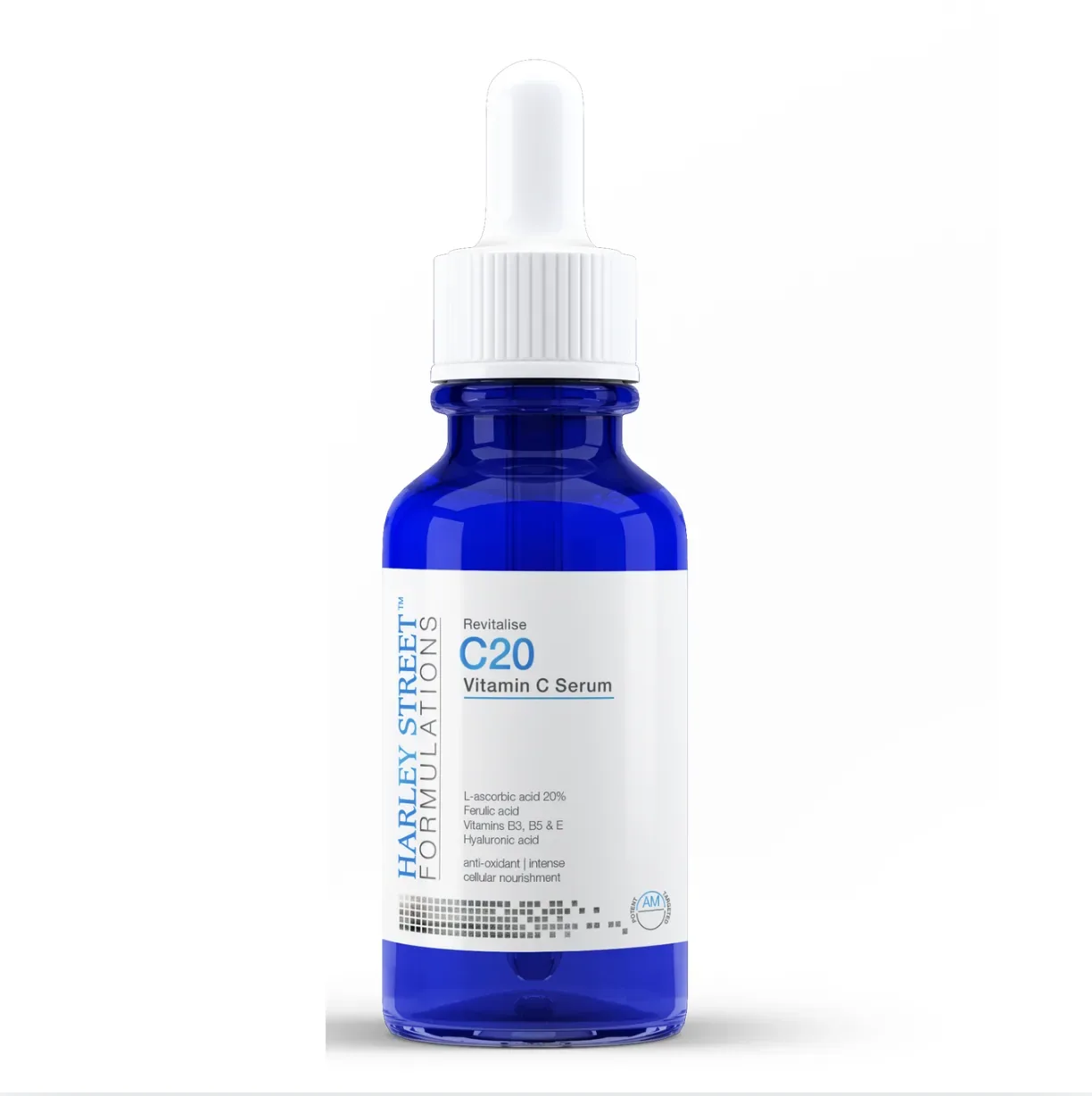
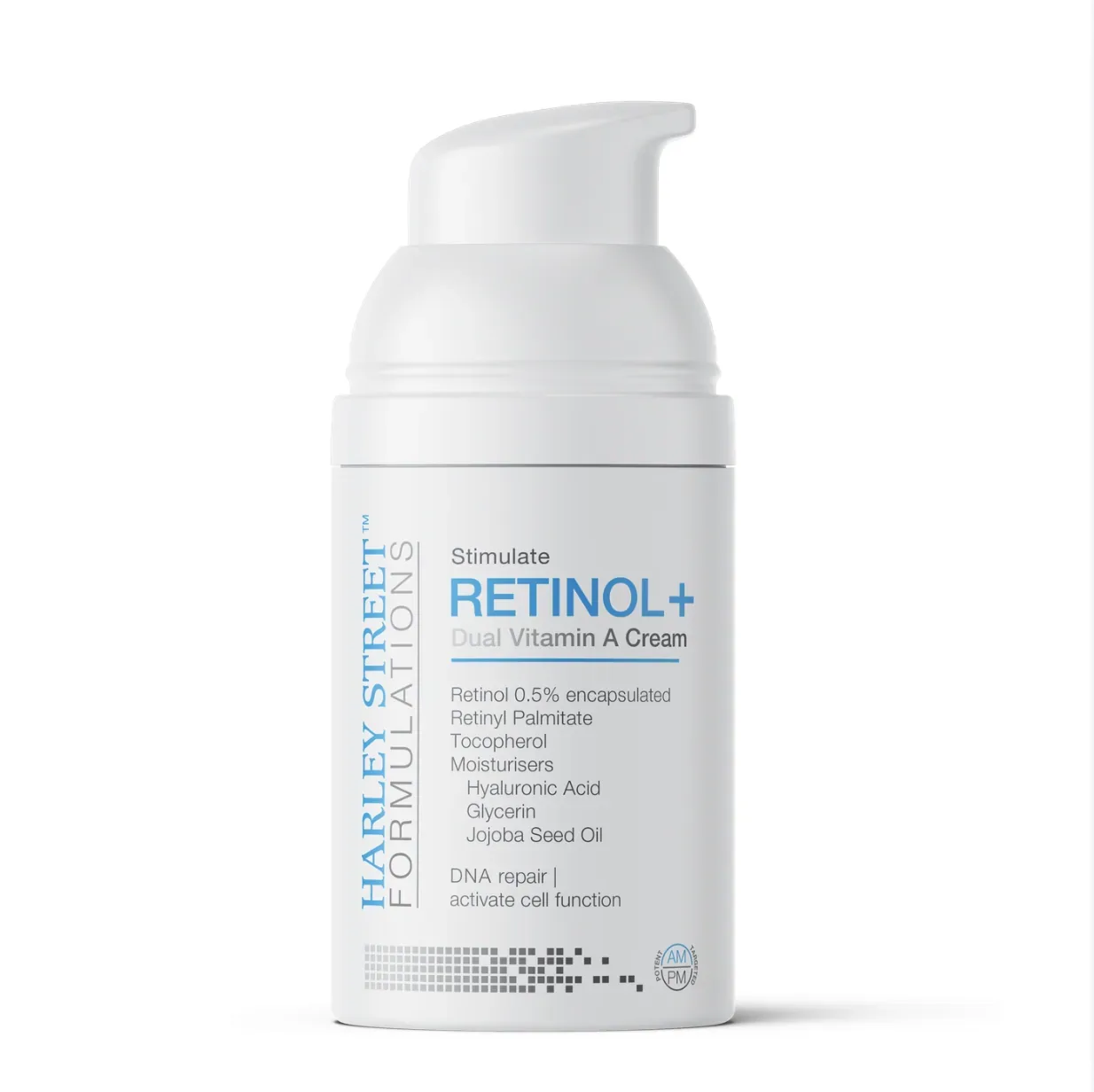
Two doctor-formulated essentials for between appointments.
Flexible payment options available