Doctor-led · Read clinically
Concerns,
read clinically.
Every concern has a sequence. We treat in the order skin biology allows — foundation first, regeneration next, structure last. Bold, natural, always your way.
Concern · Most-asked
Facial Ageing & Volume Loss.
Fat pad descent, volume depletion, collagen loss, and skeletal remodelling. As we age, the natural support structures beneath the skin shift and diminish, leading to hollowing in the temples and cheeks, deeper folds around the nose and mouth, and an overall loss of youthful contour.
Prescription & Medical Skincare
Medical-Grade Skincare (incl. Retinoids)
Doctor-prescribed retinoids, antioxidants and pigment regulators rebuild the dermis from the inside. This is the daily foundation every pathway sits on — without it, in-clinic results fade quickly.
Discover Medical-GradeSkin Regeneration
Polynucleotides
Salmon-DNA fragments that signal fibroblasts to regenerate. Improves skin quality, elasticity and tear-trough hollowing across 2–3 sessions. Not a filler — a true bio-stimulator.
Discover PolynucleotidesSkin Regeneration
Profhilo
Pure stabilised hyaluronic acid that hydrates and lifts at the dermal level. Two sessions, four weeks apart. Quiet glow, no volume distortion.
Discover ProfhiloSkin Regeneration
Microneedling
Controlled micro-injury triggers collagen remodelling without thermal damage. Safe across all skin types, including melasma-prone Fitzpatrick V–VI.
Discover MicroneedlingSkin Regeneration
PRP Treatment
Platelet-rich plasma drawn from your own blood, spun and reintroduced. Growth factors accelerate tissue repair and skin quality.
Discover PRPVolume & Structural Support
Cheek Filler
Hyaluronic acid placed supraperiosteally to restore the deep medial fat compartment. Architectural lift, not pillow cheek.
Discover CheekVolume & Structural Support
Temple Filler
Conservative volumisation of hollowed temples — one of the earliest signs of facial ageing — to restore the upper-third frame.
Discover TempleVolume & Structural Support
Jawline Filler
Mandibular angle and pre-jowl sculpting to redefine a softening jawline. Lift-vector technique, not bulk.
Discover JawlineVolume & Structural Support
Chin Filler
Projection and balance for the lower third. Often the missing piece in profile harmony and feminisation/masculinisation.
Discover ChinAdvanced Rejuvenation
Full Face Rejuvenation
Sequenced multi-modality programme — regenerative, structural and skin-quality treatments staged across months for a cohesive, unread result.
Advanced procedures are recommended for selected cases following comprehensive assessment.
Discover FullAdvanced Rejuvenation
Liquid Facelift
Our 8 or 11-point lifting protocol. A single doctor-led session that re-establishes mid-face support and jawline definition.
Advanced procedures are recommended for selected cases following comprehensive assessment.
Discover LiquidAdvanced Rejuvenation
PDO Threads
Dissolvable cog and mono threads that re-suspend descended tissue and stimulate collagen along thread tracks. No scars, 2–3 year longevity.
Advanced procedures are recommended for selected cases following comprehensive assessment.
Discover PDODiscuss facial with a doctor
View all
Facial ageing is not one process but several happening in parallel. The deep and superficial fat compartments of the cheek, temple and periorbital region descend and atrophy. The bony platform of the maxilla, mandible and orbit resorbs. Collagen and elastin within the dermis decline at roughly one to one-and-a-half percent per year from the late twenties onward. The retaining ligaments that anchor soft tissue to bone weaken, allowing the mid-face to migrate inferiorly. The visible result is hollowing of the temples, flattening of the cheek, deepening of the nasolabial and labiomental folds, jowl formation along a softening jawline, and a thinning of the perioral and periorbital skin envelope.
Doctor-led correction starts with assessment, not a syringe. We map volume loss against bone, identify where the soft-tissue envelope has descended versus deflated, and decide whether the priority is structural support, skin quality, or both. Foundational care is medical-grade and prescription skincare — retinoids, antioxidants, sunscreen — to slow the cellular drivers of ageing. On top of that we layer regenerative treatments such as Profhilo, polynucleotides, microneedling and PRP, which restore extracellular matrix quality and signal fibroblasts to behave as they did a decade earlier. Where bone or fat-pad loss has produced visible hollowing, hyaluronic acid filler is placed in deep, structural planes — supraperiosteal cheek, deep medial fat compartment, mandibular angle — to restore the platform that the overlying tissue rests on.
Advanced cases benefit from combination protocols such as the Liquid Facelift (an eight or eleven-point lifting sequence), PDO threads to re-suspend lax tissue, and full-face rejuvenation programmes that sequence regenerative, structural and skin-quality treatments over several months. The goal is the same throughout: an unread, rested face. No frozen forehead, no pillow cheek, no operated jawline. Just a face that looks like the patient on a good day, ten years ago. Everything we do is reversible, titratable and medically supervised. Realistic timelines, honest limits, doctor-led aftercare. That is what separates restoration from distortion.
Concern · Pathway 2
Lines & Wrinkles.
Dynamic muscle movement creates expression lines that, over time, etch into static wrinkles visible even at rest. Understanding the difference between dynamic and static lines helps determine the most appropriate treatment approach.
Prescription & Preventative Care
Medical-Grade Skincare (incl. Retinoids)
Doctor-prescribed retinoids, antioxidants and pigment regulators rebuild the dermis from the inside. This is the daily foundation every pathway sits on — without it, in-clinic results fade quickly.
Discover Medical-GradeMuscle Modulation
Anti-Wrinkle Injections (Botox)
Micro-dosed botulinum toxin to soften dynamic lines while preserving authentic expression. Smallest effective dose, never the maximum.
Discover Anti-WrinkleSkin Quality Support
Profhilo
Pure stabilised hyaluronic acid that hydrates and lifts at the dermal level. Two sessions, four weeks apart. Quiet glow, no volume distortion.
Discover ProfhiloSkin Quality Support
Polynucleotides
Salmon-DNA fragments that signal fibroblasts to regenerate. Improves skin quality, elasticity and tear-trough hollowing across 2–3 sessions. Not a filler — a true bio-stimulator.
Discover PolynucleotidesSkin Quality Support
Microneedling
Controlled micro-injury triggers collagen remodelling without thermal damage. Safe across all skin types, including melasma-prone Fitzpatrick V–VI.
Discover MicroneedlingTargeted Correction
Fine-Line Dermal Fillers
Superficial micro-droplet placement for individual etched static lines that have not responded to skincare and regeneration.
Fillers for static lines are selected on a case-by-case basis following clinical assessment.
Discover Fine-LineDiscuss lines with a doctor
View all
Lines and wrinkles fall into two clinically distinct groups, and treating them as if they were the same is the commonest reason patients are unhappy with their results. Dynamic lines are produced by repeated muscle contraction — frowning, smiling, squinting — and disappear when the face is at rest. They respond predictably to anti-wrinkle injections (botulinum toxin), which selectively relax the responsible muscle without altering expression elsewhere. Static lines remain visible at rest because the dermis underneath has lost collagen and the epidermis has thinned. Botox alone does not erase a static line; the skin itself has to be rebuilt.
Our protocol begins with foundational prescription skincare — clinical-strength retinoids, peptides, antioxidants — which is the only intervention proven to thicken the dermis and improve skin quality long-term. For dynamic lines on the upper face (forehead, glabella, crow's feet) we use micro-dosed Botox at the lowest effective dose to soften the line while preserving authentic expression. For deeper, etched static lines we add skin-quality regenerators such as Profhilo, polynucleotides and microneedling, which recruit fibroblasts to lay down new collagen over eight to twelve weeks. Fine, well-selected dermal filler is reserved for individual static lines that have not responded to the above and is placed superficially, in micro-droplet technique, by a doctor who understands the vascular anatomy of the area.
The patient question we hear most often is whether starting Botox in the late twenties or early thirties prevents future lines. The honest answer, supported by the evidence, is that consistent early intervention does delay the conversion of dynamic lines into static lines, but it cannot stop ageing. We treat early in the spirit of prejuvenation — the smallest effective dose, infrequent intervals, never the maximum the muscle will tolerate. The face should still move, smile, frown, react. Aesthetic medicine should be invisible. If you can tell someone has had it done, it has been done badly.
Concern · Pathway 3
Skin Texture & Tone.
Surface irregularity, slowed cell turnover, and collagen degradation. Uneven skin texture, enlarged pores, dullness, and rough patches often result from sun damage, environmental factors, and the natural ageing process.
Prescription & Medical Skincare
Medical-Grade Skincare (incl. Retinoids)
Doctor-prescribed retinoids, antioxidants and pigment regulators rebuild the dermis from the inside. This is the daily foundation every pathway sits on — without it, in-clinic results fade quickly.
Discover Medical-GradePrescription & Medical Skincare
Pigment-Regulating Skincare
Targeted topical actives — tranexamic acid, kojic, niacinamide — calibrated to your subtype. Used cyclically alongside SPF 50 to interrupt melanin overproduction without rebound pigmentation.
Discover Pigment-RegulatingExfoliation & Resurfacing
Chemical Peels
Medical-strength acids selected by skin type — mandelic, Jessner, TCA — to renew the surface and clarify tone without thermal injury.
Discover ChemicalExfoliation & Resurfacing
HydraFacial
Decongestion, exfoliation and serum infusion in one session. Barrier-friendly, suitable between active treatments.
Discover HydraFacialCollagen Stimulation
Microneedling
Controlled micro-injury triggers collagen remodelling without thermal damage. Safe across all skin types, including melasma-prone Fitzpatrick V–VI.
Discover MicroneedlingCollagen Stimulation
PRP Treatment
Platelet-rich plasma drawn from your own blood, spun and reintroduced. Growth factors accelerate tissue repair and skin quality.
Discover PRPCollagen Stimulation
Polynucleotides
Salmon-DNA fragments that signal fibroblasts to regenerate. Improves skin quality, elasticity and tear-trough hollowing across 2–3 sessions. Not a filler — a true bio-stimulator.
Discover PolynucleotidesAdvanced Resurfacing
CO₂ Laser
Fractional or fully ablative resurfacing for deep textural change. Reserved for selected cases after surface treatments have plateaued.
Laser resurfacing is considered for selected cases where surface-level treatments have been exhausted.
Discover CO₂Discuss skin with a doctor
View all
Skin texture and tone are governed by three things: the rate at which keratinocytes turn over, the integrity of the lipid barrier, and the quality of the underlying dermal collagen. When any of those three deteriorates — through ultraviolet exposure, pollution, hormonal shifts, or simply time — the surface looks dull, the pores enlarge, the tone becomes uneven, and the skin no longer reflects light cleanly. The fix is sequential, not single-modality. There is no laser, peel or facial that can substitute for a corrected daily regimen.
Foundation work is medical skincare: a prescription retinoid to accelerate cell turnover, a vitamin C antioxidant to neutralise free radicals, a broad-spectrum SPF 50 used daily, and pigment-regulating actives where indicated. On top of that foundation we layer in-clinic exfoliation and resurfacing — chemical peels selected by skin type and Fitzpatrick phototype, HydraFacial for barrier-friendly decongestion, and microneedling to drive controlled wound healing without thermal injury. For deeper textural concerns and selected scarring we add collagen-stimulating treatments such as PRP and polynucleotides, both of which recruit the patient's own regenerative biology.
Advanced resurfacing — fractional or fully ablative CO₂ laser — is reserved for cases where surface-level intervention has been exhausted. We do not lead with laser. We do not laser melasma-prone or Fitzpatrick V–VI skin without specific protocol. And we do not use CO₂ as a one-size-fits-all answer to every textural concern. Skin is an organ, not a canvas. Treat it with the same diagnostic rigour you would apply to any other organ.
Concern · Pathway 4
Pigmentation & Discolouration.
Melanin overproduction, inflammation, UV damage, and hormonal triggers. Hyperpigmentation, melasma, age spots, and post-inflammatory marks can significantly impact skin clarity and require careful clinical assessment.
Prescription Skincare (Foundation)
Hydroquinone Regimens
Cycled prescription bleaching agent for stubborn pigmentation. Used in defined courses with strict sun protection — never indefinitely.
Discover HydroquinonePrescription Skincare (Foundation)
Medical-Grade Skincare (incl. Retinoids)
Doctor-prescribed retinoids, antioxidants and pigment regulators rebuild the dermis from the inside. This is the daily foundation every pathway sits on — without it, in-clinic results fade quickly.
Discover Medical-GradePrescription Skincare (Foundation)
Azelaic Acid Protocols
Anti-inflammatory and pigment-regulating, particularly effective in melasma and post-inflammatory hyperpigmentation.
Discover AzelaicSkin Renewal
Chemical Peels
Medical-strength acids selected by skin type — mandelic, Jessner, TCA — to renew the surface and clarify tone without thermal injury.
Melasma-safe protocols are used. Aggressive resurfacing can worsen pigmentation.
Discover ChemicalSkin Renewal
Microneedling
Controlled micro-injury triggers collagen remodelling without thermal damage. Safe across all skin types, including melasma-prone Fitzpatrick V–VI.
Melasma-safe protocols are used. Aggressive resurfacing can worsen pigmentation.
Discover MicroneedlingAdjunct Treatments
Polynucleotides
Salmon-DNA fragments that signal fibroblasts to regenerate. Improves skin quality, elasticity and tear-trough hollowing across 2–3 sessions. Not a filler — a true bio-stimulator.
⚠️ Injectables are supportive, not primary, for pigmentation concerns.
Discover PolynucleotidesDiscuss pigmentation with a doctor
View all
Pigmentation is the most over-treated and under-diagnosed concern in aesthetic medicine. Hyperpigmentation, melasma, post-inflammatory hyperpigmentation, sun-induced lentigines and hormonal pigmentation all look superficially similar but respond very differently — and in some cases, opposite — to the same intervention. Aggressive resurfacing or heat-based laser on melasma-prone skin can convert a manageable problem into a permanent one. Diagnosis matters before treatment.
Our pigmentation protocol is built on a foundation of prescription skincare: hydroquinone (cycled, never indefinite) or tranexamic acid as melanin-pathway inhibitors, prescription retinoids to accelerate keratinocyte turnover and clear superficial pigment, azelaic acid for inflammatory and hormonal subtypes, and high-protection daily sunscreen as the single non-negotiable. Without daily SPF 50, no pigmentation treatment will hold.
In-clinic we use melasma-safe chemical peels — typically modified Jessner, mandelic, or low-concentration TCA — and microneedling at conservative depths to disperse pigment without inducing post-inflammatory hyperpigmentation. Polynucleotides are used as an adjunct to support barrier and reduce inflammatory drive, particularly in melasma. Injectables are not a primary treatment for pigmentation; they are supportive. If a clinic offers you filler or Botox to fix pigmentation, walk out. Pigmentation is a dermatological problem and demands a dermatological pathway.
Concern · Pathway 5
Acne & Scarring.
Inflammation, follicular blockage, and collagen destruction. Active acne and the scars it leaves behind require different treatment strategies. Understanding skin type, severity, and underlying hormonal factors is essential.
Prescription Dermatology
Prescription Acne Regimens
Tailored topical and oral protocols by acne subtype — comedonal, inflammatory, hormonal — managed by our doctors with regular review.
Hormonal assessment may be indicated for persistent or cyclical acne.
Discover PrescriptionPrescription Dermatology
Acne Treatment
Multi-stage clinical pathway from active control to scar remodelling, sequenced over months. We treat the disease before the damage.
Hormonal assessment may be indicated for persistent or cyclical acne.
Discover AcneActive Acne Control
Chemical Peels
Medical-strength acids selected by skin type — mandelic, Jessner, TCA — to renew the surface and clarify tone without thermal injury.
Discover ChemicalActive Acne Control
HydraFacial
Decongestion, exfoliation and serum infusion in one session. Barrier-friendly, suitable between active treatments.
Discover HydraFacialScar Remodelling
Microneedling
Controlled micro-injury triggers collagen remodelling without thermal damage. Safe across all skin types, including melasma-prone Fitzpatrick V–VI.
Discover MicroneedlingScar Remodelling
PRP Treatment
Platelet-rich plasma drawn from your own blood, spun and reintroduced. Growth factors accelerate tissue repair and skin quality.
Discover PRPScar Remodelling
Polynucleotides
Salmon-DNA fragments that signal fibroblasts to regenerate. Improves skin quality, elasticity and tear-trough hollowing across 2–3 sessions. Not a filler — a true bio-stimulator.
Discover PolynucleotidesStructural Correction (Selected Cases)
Dermal Fillers for Depressed Scars
Hyaluronic acid placed selectively into individual depressed scars by a doctor familiar with the vascular field.
Structural interventions are considered only after active acne is controlled.
Discover DermalStructural Correction (Selected Cases)
CO₂ Laser
Fractional or fully ablative resurfacing for deep textural change. Reserved for selected cases after surface treatments have plateaued.
Structural interventions are considered only after active acne is controlled.
Discover CO₂Discuss acne with a doctor
View all
Active acne and acne scarring are two separate problems that require two separate treatment plans. Treating scars while acne is still inflamed is futile — new lesions will produce new scars, and resurfacing the surface while the dermis is still inflamed risks worsening pigmentation. The first phase is always control of active disease. The second phase, often months later, is structural correction of the residual damage.
Active control begins with a prescription regimen tailored to acne subtype — comedonal, inflammatory, hormonal, nodulocystic — and severity. Topical retinoids, benzoyl peroxide, topical or oral antibiotics, and in selected cases hormonal modulation or oral isotretinoin under appropriate supervision. In-clinic we use medical chemical peels and HydraFacial to decongest follicles and reduce inflammatory load between regimen reviews. Hormonal assessment is offered for persistent, cyclical, or jawline-distributed acne, particularly in adult female patients.
Once active disease is controlled and the skin has stabilised — typically a window of three to six months — we move to scar remodelling. Microneedling, PRP and polynucleotides drive controlled collagen remodelling for atrophic and rolling scars. Fractional CO₂ laser is reserved for deeper boxcar and ice-pick patterns. Hyaluronic acid dermal filler is used selectively for individual depressed scars, placed by a doctor who understands the vascular field of the area. Subcision releases tethered scar bases. Each tool has its place; none is a universal answer. Honest scar work takes a year or more. Anyone offering a single-session miracle is selling marketing, not medicine.
Concern · Pathway 6
Skin Laxity & Sagging.
Collagen and elastin breakdown combined with ligament laxity and volume loss. The jawline softens, jowls form, and the neck loses definition. Addressing laxity often requires stimulating the skin's own regenerative processes.
Skin Quality Support
Profhilo
Pure stabilised hyaluronic acid that hydrates and lifts at the dermal level. Two sessions, four weeks apart. Quiet glow, no volume distortion.
Discover ProfhiloSkin Quality Support
Polynucleotides
Salmon-DNA fragments that signal fibroblasts to regenerate. Improves skin quality, elasticity and tear-trough hollowing across 2–3 sessions. Not a filler — a true bio-stimulator.
Discover PolynucleotidesSkin Quality Support
Medical-Grade Skincare
Part of the skin quality support layer of the skin laxity & sagging pathway. Selected and sequenced by your doctor following clinical assessment, not from a menu.
Discover Medical-GradeStructural Tightening
PDO Threads
Dissolvable cog and mono threads that re-suspend descended tissue and stimulate collagen along thread tracks. No scars, 2–3 year longevity.
Discover PDOStructural Tightening
Microneedling
Controlled micro-injury triggers collagen remodelling without thermal damage. Safe across all skin types, including melasma-prone Fitzpatrick V–VI.
Discover MicroneedlingSupportive Volume
Jawline Filler
Mandibular angle and pre-jowl sculpting to redefine a softening jawline. Lift-vector technique, not bulk.
Volume is placed in lift vectors to complement tightening procedures.
Discover JawlineSupportive Volume
Cheek Filler
Hyaluronic acid placed supraperiosteally to restore the deep medial fat compartment. Architectural lift, not pillow cheek.
Volume is placed in lift vectors to complement tightening procedures.
Discover CheekSurgical Options (Advanced Laxity)
Facelift Surgery
Surgical referral for advanced laxity beyond non-surgical reach. Honest medicine includes knowing when to refer out.
Surgical consultation is recommended when non-surgical approaches have reached their limit.
Discover FaceliftDiscuss skin with a doctor
View all
Laxity is the visible expression of three converging changes: loss of dermal collagen and elastin, weakening of the retaining ligaments that anchor soft tissue to bone, and atrophy of the deep and superficial fat compartments that provide volumetric support. The jawline softens, jowls form, the neck loses definition, and the mid-face descends. Skin-only treatments cannot reverse ligamentous laxity, and volume alone cannot tighten a slack envelope. Honest correction requires a layered approach.
We begin with skin quality. Profhilo and polynucleotides bio-stimulate fibroblasts to improve dermal hydration and elasticity over a series of treatments. Medical-grade prescription skincare — retinoids, peptides, antioxidants — supports the underlying biology day to day. For tightening of the envelope itself we use PDO threads (cog and mono) to re-suspend descended tissue and stimulate collagen along the thread tracks, and microneedling to drive controlled remodelling.
Where laxity is compounded by volume loss — and it almost always is — supportive hyaluronic acid filler is placed in lift vectors at the cheek, jawline and chin to recreate the structural platform the soft tissue once rested on. The combination, sequenced thoughtfully, gives the appearance of a lifted face without surgery. There is, however, a ceiling. When laxity has progressed beyond the reach of non-surgical intervention, the honest recommendation is a surgical consultation — a deep-plane facelift performed by a qualified surgeon. We will say so. Aesthetic medicine done well includes knowing when to refer out.
Every concern, explained in full
Each pathway below is a doctor-written page on a single concern: what causes it, what genuinely helps, what we would decline, and the order treatment should follow. Start with the concern that sounds like yours.
- Acne and breakouts — causes, grading and the medical treatment pathway
- Pigmentation and melasma — why it returns and how we treat it safely
- Eczema and dermatitis — barrier repair before anything cosmetic
- Dark circles under the eyes — the three causes and three protocols
- Dark circles versus eye bags — why they need different treatments
- Thin, lined or asymmetric lips — conservative correction explained
- Square or wide jaw — masseter slimming and bruxism relief
- Facial sagging and jowls — the non-surgical facelift pathway
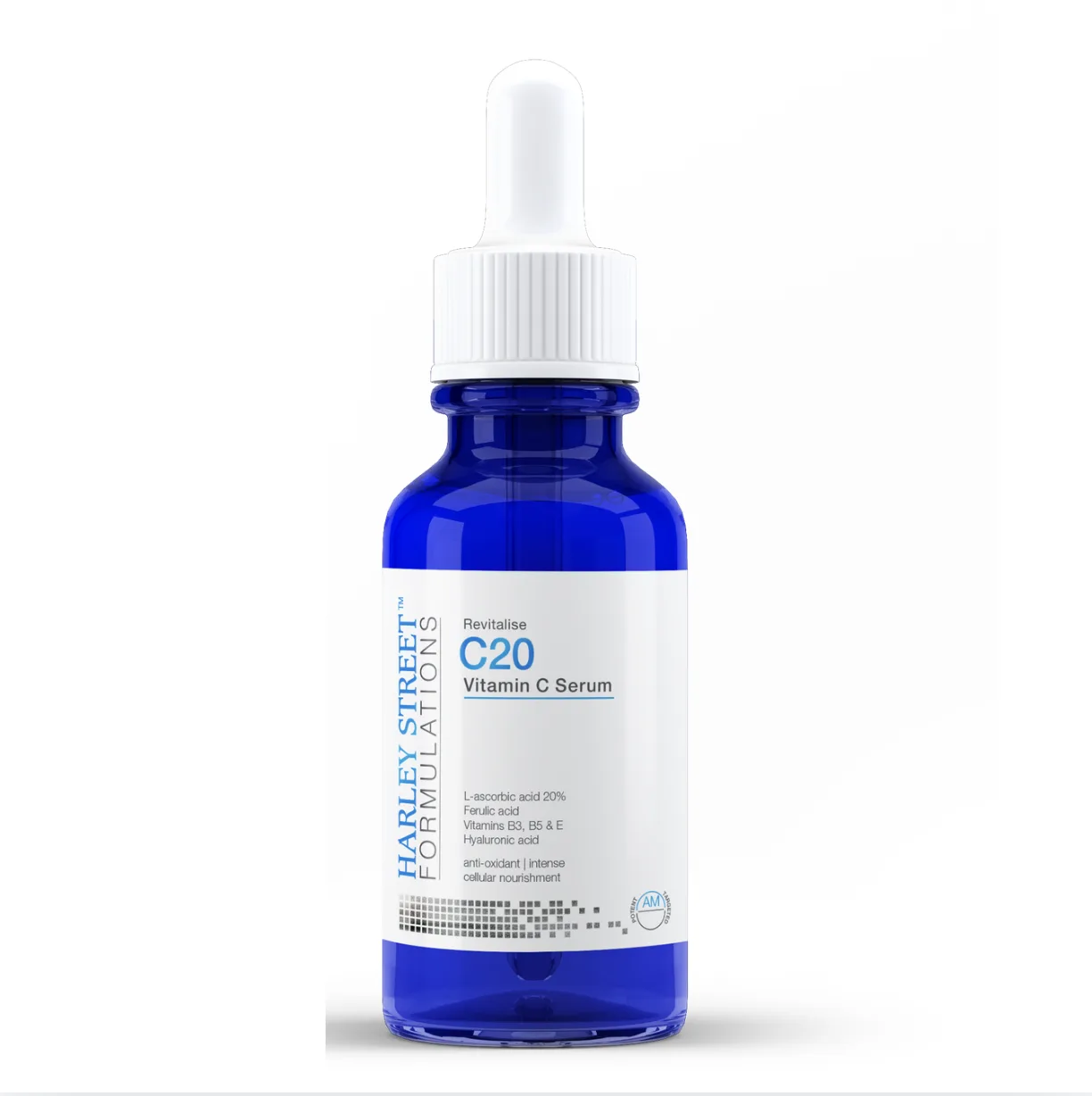
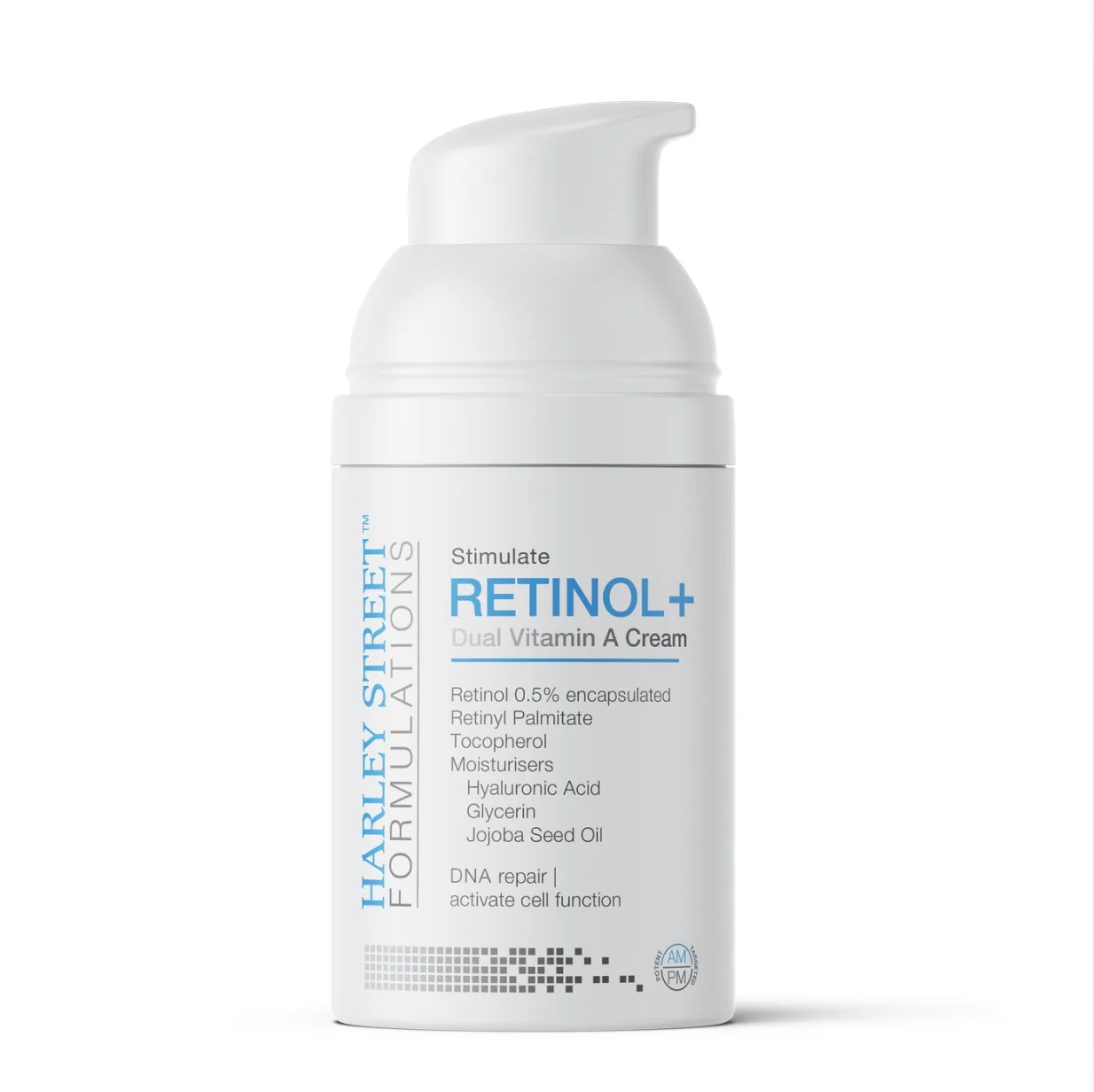
Daily Skincare
Two products. Morning and night.
Doctor-formulated essentials that make your in-clinic results last.
Your consultation begins here
The right pathway is the
honest one.
No upselling. No theatre. A doctor maps your concern, explains the sequence, and tells you what we will not do as clearly as what we will. Aesthetic medicine should be invisible — quiet, not loud.
Book your assessment