Why Three Cells Matter
Your skin contains over 30 cell types, but three are responsible for the vast majority of visible skin health. At Cosmedocs, we formulate our cosmeceuticals and design our clinical treatments around these three cellular pillars. Every product, every protocol, every recommendation maps back to this framework.
Keratinocytes
The Barrier Builders • ~90% of the epidermis
Keratinocytes form the physical barrier that keeps moisture in and irritants out. They produce ceramides, fatty acids, and natural moisturising factors (NMFs). When keratinocyte function is compromised, you see dehydration, sensitivity, oiliness, and congestion.
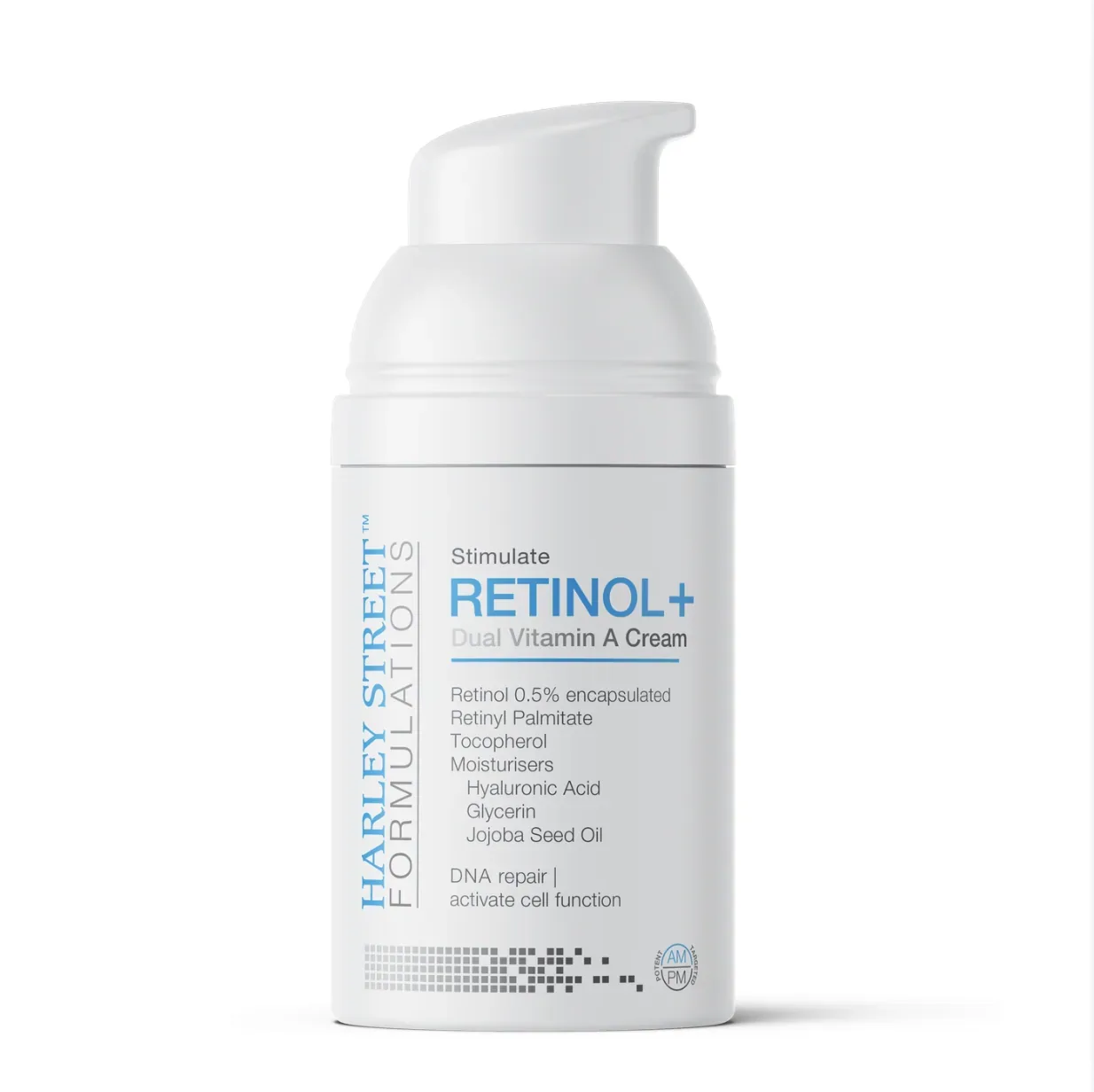
Treatments that target keratinocytes: Chemical peels, HydraFacial, Retinol+
Melanocytes
The Pigment Regulators • ~5–10% of the basal layer
Melanocytes produce melanin, the pigment that gives skin its colour and provides UV protection. Dysfunction leads to hyperpigmentation, melasma, post-inflammatory marks, and uneven skin tone. Melanocyte regulation is dose-sensitive — aggressive treatments can trigger rebound pigmentation.
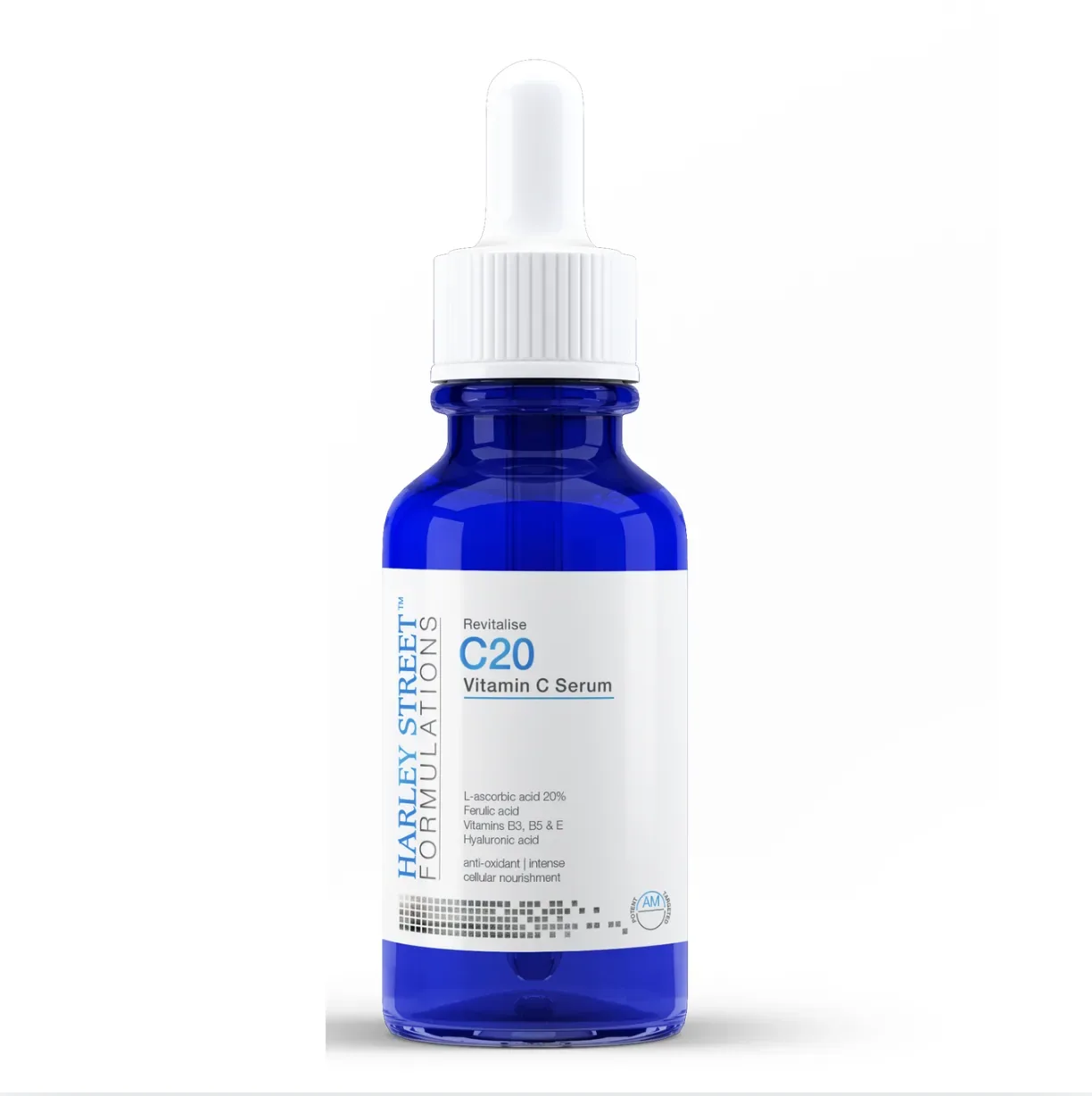
Treatments that target melanocytes: Vitamin C Serum, Pico Laser, Chemical Peels
Fibroblasts
The Structure Makers • Dermis connective tissue
Fibroblasts produce collagen (structure), elastin (bounce), and hyaluronic acid (hydration). After age 25, fibroblast activity declines ~1% per year. This is why injectable treatments like Profhilo and polynucleotides work — they directly stimulate dormant fibroblasts.
Treatments that target fibroblasts: Retinol+, PRP, Microneedling
How We Apply This Clinically
When you visit Cosmedocs for a consultation, your treatment plan is mapped against all three cell types. A patient presenting with fine lines (fibroblasts) might also have sun spots (melanocytes) and dehydration (keratinocytes). Treating only the wrinkles misses two-thirds of the picture.